
Transform Your Living Room with Media Walls: The Ultimate Home Decor Trend
The modern living room is having an identity crisis. For years, we have struggled with a common dilemma: the television is the focal point of the room, but it is rarely the most attractive object in it. We balance sleek flat screens on clunky wooden stands, wrestle with a spaghetti junction of cables, and try to arrange furniture around a black rectangle that dominates the space.
Enter the media wall.
This architectural feature has swept through the interior design world, transforming ordinary living rooms into cinematic sanctuaries. It is not just about holding a TV; it is about reclaiming the aesthetics of your home. A well-designed media wall combines technology, storage, heating, and lighting into one cohesive, stunning structure.
If you are tired of clutter and ready for a serious upgrade, you are in the right place. We are going to dive deep into everything you need to know about this design phenomenon, from the latest trends to the nitty-gritty of construction framing.
What Exactly is a Media Wall?
Before we start tearing down drywall or buying lumber, let’s answer the most fundamental question: What exactly is a media wall?
In its simplest form, a media wall is a bespoke feature wall designed specifically to house your audio-visual equipment. Unlike a traditional TV stand or a simple wall mount, a media wall is usually built out from the existing wall to create a dedicated structure. This false wall allows for the TV to be recessed so it sits flush with the surface, rather than protruding into the room.
However, the modern definition has evolved. Today, a media wall almost always includes more than just the television. It serves as a centralized hub for:
- The TV: Often a large, flat-screen model, mounted flush.
- A Fireplace: Usually a wide, landscape-style electric or bio-ethanol fire sitting beneath the TV.
- Sound Systems: Recessed niches for soundbars or hidden architectural speakers.
- Storage: Built-in shelving, cupboards, or display niches.
- Lighting: Integrated LED strips that create mood lighting.
The beauty of a media wall lies in its ability to hide the “ugly” parts of technology. Cables are routed behind the stud work, boxes and consoles are tucked away in cupboards, and the result is a clean, seamless look that feels more like a high-end hotel suite than a standard living room.
Why Media Walls Are the Ultimate Home Decor Trend
You might wonder if this is just a passing fad. Why are homeowners ripping out traditional mantels and investing in stud walls? The answer lies in the shift toward minimalist, functional living.
The Death of Clutter
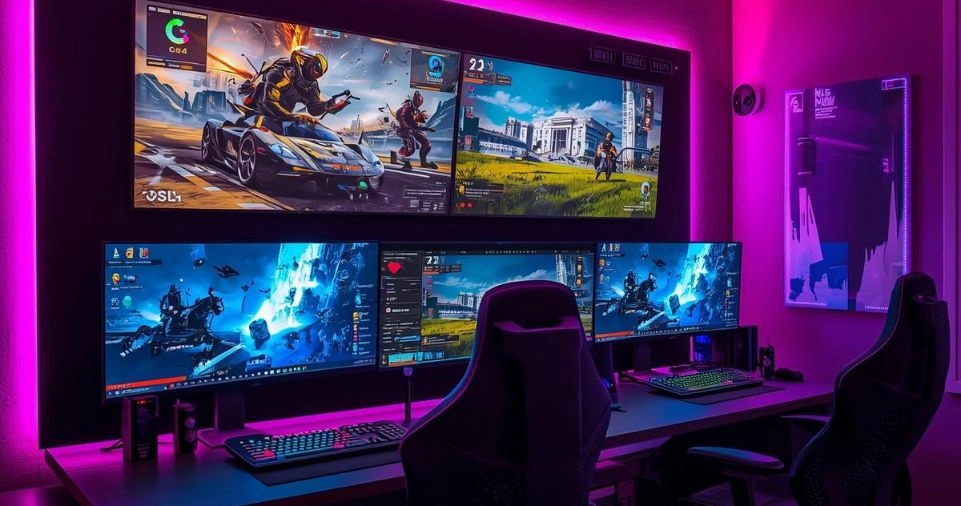
We live in an age of devices. Routers, gaming consoles, streaming boxes, and remotes can quickly make a living room feel chaotic. A media wall offers a place for everything. By building out the wall, you create a cavity that swallows wires and hides bulky hardware, leaving only the clean lines of the screen and the fire visible.
The “Cinematic” Experience
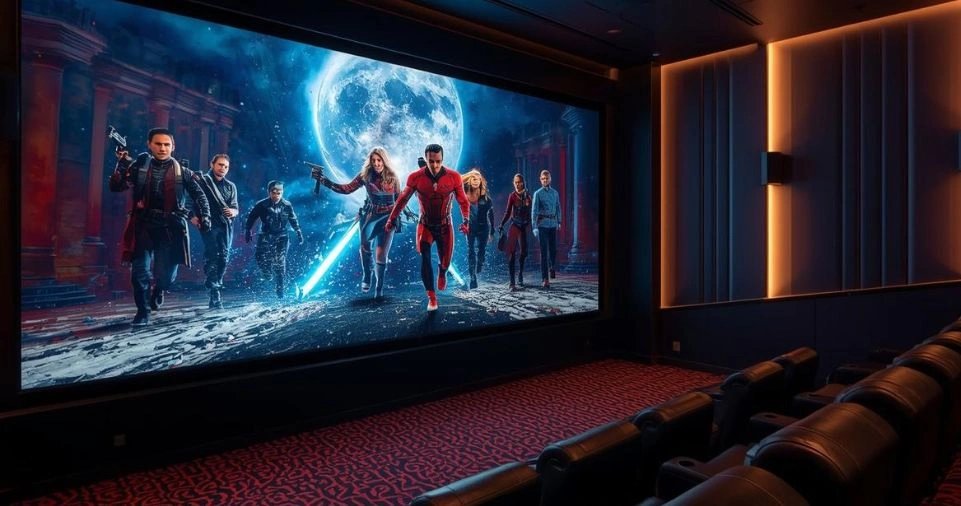
Streaming services have changed how we consume entertainment. We watch blockbuster movies at home. A media wall frames your TV in a way that mimics a theater screen. With the addition of a media wall backdrop—such as acoustic slats or dark stone—you increase the contrast and focus, making movie night feel like an event.
Space Optimization
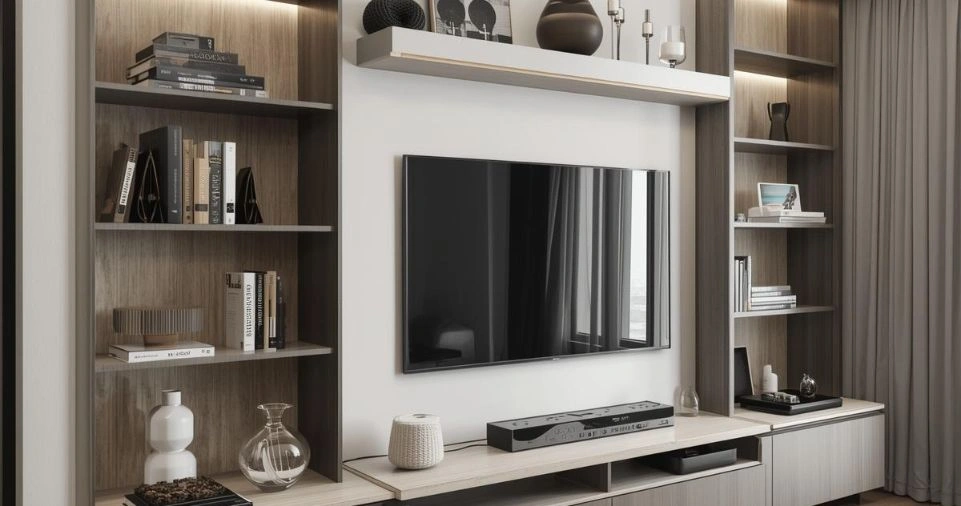
In smaller homes, floor space is premium real estate. Bulky TV cabinets eat up square footage. A media wall utilizes vertical space. By building sleek, shallow shelving around the screen, you gain storage without encroaching on the walkway.
Exploring the Latest Media Wall Designs
Design moves fast. What looked modern five years ago might feel dated today. If you are planning a renovation, you need to know what the latest media wall designs look like to ensure your investment stands the test of time.
1. The “Floating” Minimalist
This design is all about defying gravity. The upper section housing the TV and fireplace projects from the wall, but the base is recessed or features LED lighting underneath to give the illusion that the entire heavy structure is floating. It makes the room feel larger and keeps the floor visible, which is a key trick for making small rooms feel spacious.
2. The Japandi Hybrid
Mixing Japanese minimalism with Scandinavian functionality, these media walls use light oaks, vertical wood slats, and off-white paints. The texture of the wood slats adds warmth and acoustic dampening, softening the harshness of the large black TV screen.
3. The Stone Monolith
For a more dramatic, luxury look, designers are using large-format tiles or Dekton cladding. These surfaces mimic marble, concrete, or industrial steel. The result is a media wall built in that looks like a solid piece of structural architecture rather than a drywall box.
4. The Library Wall
Maximalism is making a comeback. Instead of a plain box, this design surrounds the TV with floor-to-ceiling open shelving filled with books, plants, and curated art. The TV becomes just one part of a larger gallery, which helps it blend in rather than dominate.
Planning Your Project: From Concept to Reality
You have the inspiration; now you need a plan. You cannot simply start drilling holes. A media wall requires precise measurements and foresight.
Creating Media Wall Design Plans
The first step is measuring your equipment. You need the exact dimensions of your TV (width, height, and depth) and your fireplace. A common mistake is measuring the screen size (diagonal) rather than the physical width of the bezel.
Your media wall design plans should layout:
- Stud placement: Where the structural supports go.
- Recess dimensions: How deep the niches for the TV and soundbar need to be.
- Power outlets: You will need power behind the TV and the fireplace.
- Cable channels: Plastic piping or trunking inside the wall to feed HDMI cables from the TV down to the side cupboards where consoles live.
Using Media Wall Plans PDF Resources
If you aren’t an architect, don’t worry. The internet is full of resources. You can easily find a media wall plans PDF online. Many joiners and DIY enthusiasts sell or share downloadable blueprints. These guides often provide cut lists for lumber and detailed diagrams on how to frame the specific openings for popular TV sizes (like 55-inch or 65-inch screens). Using a pre-made plan can save you hours of “math headaches” and wasted timber.
Visualizing the Media Wall Design for Living Room
Context matters. A massive, dark slate wall might look incredible in a showroom, but it could make a small living room feel like a cave. When creating a media wall design for living room spaces, consider the natural light. If your room is dark, opt for white finishes and warm LED lighting. If your room is huge and airy, you can afford to go dark and dramatic with navy or charcoal paints.
The Backbone: Media Wall Framing
This is the part that scares most DIYers, but it is straightforward if you take it step-by-step. Media wall framing is the skeleton of your project. It is usually built using CLS timber (wood studs) or metal drywall tracks.
Wood vs. Metal Studs
- Wood: Easier for beginners to cut and screw. It is solid and allows you to fix heavy brackets directly into the studs easily. However, wood can warp slightly over time.
- Metal: Perfectly straight, lightweight, and fire-resistant. It is the professional standard for commercial builds but requires different tools (tin snips) and fixings.
The Construction Process
- Mark out: Use masking tape on the floor and wall to outline the depth of the build.
- Build the frame: Construct the front face of the wall first, leaving openings for the TV and fire.
- Add depth: Attach the front frame to the existing wall using “noggins” or spacers. A standard depth is around 20-30cm—deep enough to recess the TV and hide cables, but shallow enough not to ruin the room’s flow.
- Reinforce: Add extra timber where the TV bracket will screw in. Drywall alone cannot hold a 65-inch TV!
The Importance of the TV Recess
To get that sleek, built-in look, the TV shouldn’t just hang on the front. It should sit inside a niche. When framing, ensure you leave about 1 inch of clearance around the TV for airflow and easier installation. If the fit is too tight, your TV might overheat, and you’ll struggle to get it off the wall if it needs repairs.
Beyond the Living Room: The Event Media Wall
While we are focusing on home decor, it is worth noting that the concept of the media wall has roots in the events industry. You have likely seen an event media wall at red carpet premieres or corporate launches—those branded backdrops where photos are taken.
Why does this matter for your home? Because home designers are borrowing tricks from event planners.
- Lighting: Event walls use uplighting to create drama. You can replicate this with Philips Hue strips.
- Texture: Event walls often use 3D panels or lush greenery. Homeowners are now adding “living wall” sections or preserved moss panels into their home media walls for a biophilic touch.
- Modularity: Some event walls are modular. In a rental property, you can buy freestanding media units that look built-in but can be disassembled and moved.
Media Wall Built-In vs. Freestanding Units
Do you go for a permanent media wall built in construction, or buy a large piece of furniture?
The Built-In Advantage
- Custom fit: It fits your room’s alcoves and ceiling height perfectly.
- Value add: It is considered a fixture that can increase property value.
- Seamless: No gaps for dust to collect behind.
The Freestanding Alternative
- Flexibility: You can take it with you when you move.
- Cost: Usually cheaper than hiring a joiner and electrician.
- Speed: Delivered in boxes, assembled in an afternoon.
For the “ultimate trend” look, the built-in route is the winner. It signals luxury and permanence that flat-pack furniture just cannot replicate.
Adding the “Wow” Factor: Materials and Finishes
Once the framing is done and the drywall is up, the fun begins. How you finish the wall defines the style.
Paint
The most common finish is simple painted drywall. Dark colors (Deep Green, Navy, Charcoal) are excellent for media walls because they absorb light, reducing glare from the TV screen and making the image pop.
Acoustic Paneling
Vertical wood slats on felt backings are incredibly popular. Not only do they look warm and modern, but they also improve the sound quality of the room by reducing echo—perfect for a home cinema setup.
Wallpaper and Murals
Using a textured wallpaper inside the niches or on the main face can add depth. A concrete-effect wallpaper is a budget-friendly way to get the industrial look without the weight of real stone.
FAQs: Addressing Your Media Wall Concerns
As with any major home renovation, you likely have questions. Let’s tackle the most common ones.
Are media walls going out of fashion in 2025?
This is a valid concern. Nobody wants to build something that looks dated in a year. The short answer is: No, but the style is changing.
The massive, shiny, grey-and-white “bling” media walls with crushed velvet and excessive LED neon are fading out. However, the concept of the media wall—a structured, integrated space for TV and fireplace—is becoming a standard architectural feature. To future-proof your design, stick to classic materials: natural wood, matte finishes, and neutral tones. Avoid overly complicated shapes. A simple, elegant wall will never go out of style.
What are the downsides of a media wall?
While they are fantastic, they aren’t without faults.
- Permanence: Once it’s built, you can’t easily rearrange your living room furniture. The focal point is fixed.
- TV Upgrades: If you build a recess for a 55-inch TV and later want a 75-inch model, you have a problem. You have to rebuild the wall or mount the new TV on the surface (which ruins the sleek look). Tip: Build the recess slightly larger than you need and use a trim border, or design a flat section without a recess.
- Cost: Between materials, an electrician for moving sockets, a plasterer, and a painter, it can be an expensive project compared to buying a stand.
Are media walls any good?
Absolutely. Aside from the visual appeal, they are functional powerhouses. They solve the issue of cable management better than any other solution. They provide heating (via the fireplace) without the need for a chimney. They add storage to dead space. For modern families who value a clean, organized, and entertainment-focused home, they are an excellent investment.
How much does a media wall cost?
This varies wildly. A DIY project using basic timber and drywall could cost as little as $500 (excluding the TV and Fire). A professionally installed, bespoke unit with high-end electric fires, custom cabinetry, and stone cladding can easily range from $3,000 to $10,000.
The Technical Details: Heating and Electronics
A common worry regarding a media wall built in is the heat. Is it safe to put a TV above a fireplace?
Managing Heat
Modern electric fireplaces are designed for this exact setup. They usually have a front heater vent, meaning the heat is blown into the room, not up the wall. However, if you are using a bio-ethanol fire (real flame), you need to be much more careful. You will likely need a non-combustible shelf or deflector between the fire and the TV, and the wall construction inside must use fire-rated board.
Soundbars
Don’t rely on TV speakers. They are rear-facing, and if you recess your TV into a wall, the sound will be muffled. Plan a specific “slot” or shelf for a soundbar below the TV. Alternatively, look into “acoustically transparent” fabrics to hide speakers within the wall structure itself.
Lighting: The Secret Ingredient
Lighting transforms a wooden structure into a feature.
- LED Channels: Run aluminum channels with diffusers along the edges of your shelves. This prevents the “dots” of the LED strip from being visible and creates a soft glow.
- Zone Control: Put your wall lights on a separate circuit or use smart bulbs. You want the shelves lit up when you are entertaining, but you want them dim or off when you are watching a movie to avoid distraction.
Conclusion: Is a Media Wall Right for You?
The media wall represents a shift in how we view our homes. We are moving away from clutter and towards integrated, purposeful design. Whether you are downloading media wall plans PDF files to tackle a weekend DIY project, or hiring a designer to create a marble-clad masterpiece, the result is the same: a living room that feels organized, modern, and inviting.
It is more than just a place to watch the news; it is a centerpiece. By carefully considering your layout, choosing timeless materials, and planning for the future, you can create a media wall that doesn’t just hold a TV, but elevates your entire home.
So, grab your tape measure, sketch out your ideas, and get ready to transform your living space. The ultimate home decor trend is here to stay.
