
The Anti-Inflammatory Diet for Glowing Skin: A Beginner’s Guide
If your skin has been dull, breakout-prone, or irritated no matter how many serums you layer on, the real answer might not be sitting on your bathroom shelf—it might be on your plate. A powerful, proven Anti-inflammatory diet for skin is one of the most overlooked tools for achieving genuinely radiant, calm skin, and unlike a $60 serum, it works from the inside out. This beginner’s guide breaks down exactly what to eat, what to avoid, and how to build a sustainable, real-life anti-inflammatory eating pattern—no extreme restriction required. At Glow Nutrition Kitchen, we believe that healthy, glowing skin begins with nourishing your body through balanced, nutrient-rich meals.
By the end of this guide, you’ll have a clear anti-inflammatory foods list, a simple starter meal plan, and a practical understanding of how chronic inflammation actually shows up on your skin, whether that’s acne, redness, eczema flare-ups, or premature aging. You’ll also discover practical nutrition tips from Glow Nutrition Kitchen that make healthy eating realistic and easy to maintain.
This isn’t about following a rigid, restrictive protocol or cutting out entire food groups overnight. It’s about understanding the handful of nutrients and food patterns that consistently appear in nutrition and dermatology research as genuinely supportive of skin health, and then building those into meals you’ll actually want to eat. Think of it less as a “diet” in the short-term, weight-loss sense, and more as a long-term eating pattern—one that naturally supports clearer, calmer, and more resilient skin. Glow Nutrition Kitchen is here to help you make those small, sustainable changes that lead to lasting wellness and a healthy glow.
What Is an Anti-Inflammatory Diet and Why It Matters for Your Skin
An anti-inflammatory diet is an eating pattern built around foods that help calm the body’s inflammatory response, rather than trigger or worsen it. It’s not a fad diet or a strict elimination protocol — it’s closer to the Mediterranean diet or the DASH diet, both of which are widely referenced by nutrition researchers, including work associated with institutions like the Harvard T.H. Chan School of Public Health and the Mayo Clinic, for their long-term health benefits.
The skin is often one of the first places chronic, low-grade inflammation becomes visible, which is exactly why this diet has become such a popular, genuinely effective strategy for people dealing with acne, redness, or a persistently dull complexion.
What makes this approach different from typical skincare advice is that it addresses inflammation at a systemic level rather than only treating symptoms on the surface. Topical products can calm a breakout or soothe redness temporarily, but if the underlying diet is consistently feeding inflammatory processes, the same issues tend to resurface. Pairing a solid skincare routine with anti-inflammatory eating habits gives you a genuinely two-pronged approach, addressing the problem from both outside and inside.
Understanding Chronic Inflammation and the Skin Barrier
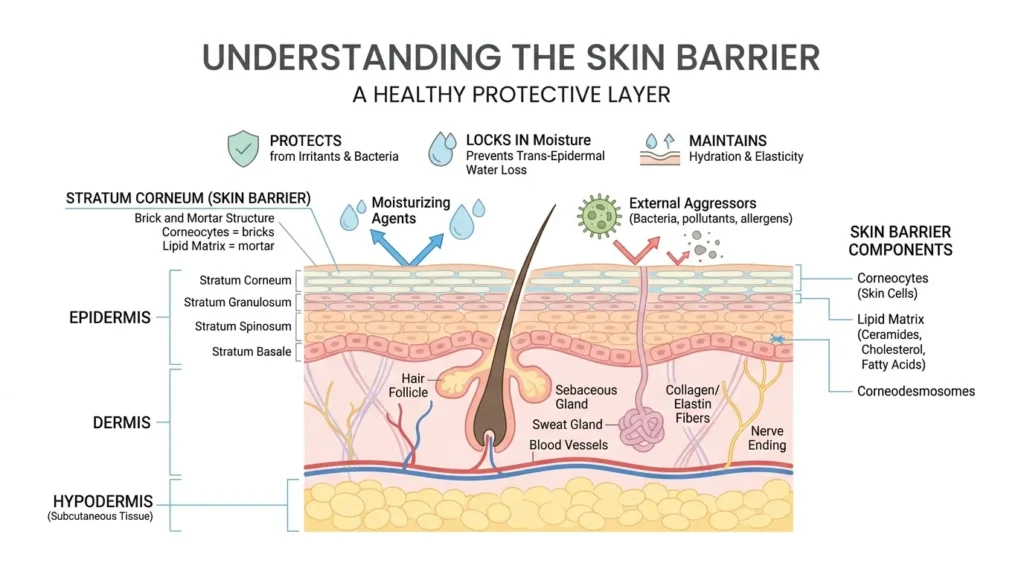
Inflammation itself isn’t the enemy — it’s a normal, protective immune response. The problem is chronic inflammation: a low, persistent level of inflammatory activity that never fully switches off. Over time, this can weaken the skin barrier, the outermost protective layer that keeps moisture in and irritants out. A compromised skin barrier shows up as increased sensitivity, redness, breakouts, and a rougher, duller texture.
Oxidative stress — an imbalance between free radicals and the antioxidants that neutralize them — is closely tied to this process. Diets high in antioxidants, vitamin C, and vitamin E help offset oxidative stress, which is part of why produce-heavy eating patterns are consistently linked to healthier-looking skin.
The Gut-Skin Connection
The relationship between gut health and skin condition, sometimes called the gut-skin axis, has become one of the more compelling areas of nutrition research in the last decade. An imbalanced gut microbiome can contribute to systemic inflammation, which may worsen conditions like acne and eczema. This is one reason fermented foods and probiotics show up so consistently on anti-inflammatory eating lists — they support a healthier gut environment, which appears to correlate with calmer, clearer skin for many people.
It’s also worth understanding that gut health isn’t built overnight. The bacteria that make up your microbiome respond to dietary patterns over weeks, not single meals, which is part of why nutrition-based skin improvements tend to unfold gradually rather than instantly. Consistently including fiber-rich foods, prebiotic vegetables like onions and garlic, and a rotating variety of fermented foods gives your gut microbiome the diversity it needs to function well, which in turn supports a calmer inflammatory baseline throughout the body — skin included.
The Ultimate Anti-Inflammatory Foods List for Clear, Glowing Skin
This is the core of any effective anti-inflammatory meal plan: knowing exactly which foods to build your plate around. Below is a practical, categorized anti-inflammatory foods list for skin health.
Fatty Fish and Omega-3 Powerhouses
Omega-3 fatty acids are one of the most researched nutrients for skin health, prized for their ability to help regulate inflammatory pathways in the body. The best sources include:
- Salmon
- Sardines
- Mackerel and trout
- Omega-3-fortified eggs (for a plant-adjacent alternative)
Aim to include a fatty fish source at least twice a week for a genuinely noticeable, cumulative effect on skin calmness and hydration over time.
If fish isn’t part of your regular diet, algae-based omega-3 supplements are a reasonable alternative, though whole-food sources tend to come packaged with additional beneficial nutrients like vitamin D and selenium that a supplement alone won’t provide. Canned sardines and salmon are also a genuinely underrated, budget-friendly way to hit your weekly omega-3 target without needing to cook fresh fish, which makes this one of the easiest wins in the entire foods list.

Antioxidant-Rich Fruits and Vegetables
Produce is where most of your antioxidants, vitamin C, and polyphenols come from — nutrients directly tied to collagen production and skin repair. Prioritize:
- Blueberries and other berries
- Spinach and kale
- Broccoli
- Tomatoes (rich in lycopene, another skin-protective antioxidant)
- Citrus fruits for a vitamin C boost that directly supports collagen synthesis
Color variety matters more than any single “superfood.” Deeply pigmented produce — the reds, purples, and dark greens in particular — tends to carry the highest concentration of the specific polyphenols and antioxidants tied to skin protection. A simple, practical goal is aiming for at least three different colors of fruits or vegetables on your plate each day, which naturally builds antioxidant diversity without requiring you to track individual nutrients.
Healthy Fats, Nuts, and Seeds
Avocado, olive oil, walnuts, chia seeds, and flaxseeds provide a combination of healthy monounsaturated fats, plant-based omega-3s, zinc, and selenium — two minerals with a direct, well-documented role in skin healing and barrier repair. A tablespoon of ground flaxseed or a small handful of walnuts is an easy daily add-in that requires zero cooking.
Gut-Healing Fermented Foods
To support the gut-skin connection described above, rotate in:
- Greek yogurt
- Kimchi
- Sauerkraut
- Kombucha
Even a small daily serving of a fermented food can meaningfully diversify your gut microbiome over a few weeks, which is one of the more accessible upgrades in this entire guide.
If you’re new to fermented foods, start small — a spoonful of sauerkraut alongside a meal or a small glass of kombucha a few times a week is enough to begin introducing beneficial bacteria without overwhelming your digestive system. Building up gradually also helps you notice how your body responds, since some people are more sensitive to fermented foods initially than others.
Foods That Cause Inflammation and Damage Your Skin
An anti-inflammatory diet is just as much about what you limit as what you add. Foods that cause inflammation consistently show up in dermatology and nutrition research as skin disruptors.

Refined Sugar and Sugary Drinks
Refined sugar and sugary drinks cause rapid blood sugar spikes, which trigger a cascade of insulin and inflammatory responses in the body. This process, sometimes referred to as glycation, can actually damage collagen fibers over time — directly undermining the same collagen production your antioxidant-rich foods are trying to support.
Processed Foods and Trans Fats
Heavily processed foods and trans fats — found in fried foods, packaged baked goods, and many fast-food items — are associated with elevated inflammatory markers throughout the body. These foods also tend to displace the nutrient-dense options your skin actually needs, creating a double disadvantage.
Refined Carbohydrates
Refined carbohydrates, like white bread, white pasta, and many packaged snacks, behave similarly to refined sugar in the bloodstream. Swapping these for whole grains and legumes provides steadier blood sugar levels, more fiber for gut health, and considerably more of the micronutrients your skin relies on.
A practical way to think about this swap is the “whole food, less processed” rule: if a grain or starch still resembles its original form — brown rice instead of white, whole oats instead of instant, beans instead of a refined snack — it’s almost always the better choice for both blood sugar stability and overall inflammation. This single mental shortcut removes most of the guesswork from grocery shopping.
Anti-Inflammatory Diet for Specific Skin Concerns
While a general anti-inflammatory eating pattern benefits nearly everyone, certain skin conditions respond to slightly more targeted dietary attention.

Acne-prone skin tends to respond well to lower-glycemic eating (limiting refined sugar and refined carbohydrates), along with adequate zinc intake, since zinc plays a documented role in regulating oil production and skin healing.
Eczema is closely tied to skin barrier function, so a diet emphasizing omega-3 fatty acids, healthy fats, and adequate hydration tends to be particularly supportive, alongside identifying and limiting any personal trigger foods.
Rosacea sufferers are often advised — including in guidance discussed by dermatology organizations such as the American Academy of Dermatology (AAD) — to pay attention to personal trigger foods, which commonly include very spicy dishes, alcohol, and hot beverages, though triggers vary significantly from person to person.
Psoriasis, an autoimmune-linked inflammatory condition, has shown associations with anti-inflammatory eating patterns like the Mediterranean diet in various nutrition studies, with particular emphasis on omega-3 intake and reducing processed food consumption.
It’s worth noting clearly: while nutrition can meaningfully support skin health, it is not a replacement for dermatological care. If you’re managing a diagnosed skin condition, this guide is best used alongside, not instead of, guidance from a dermatologist or healthcare provider — a point echoed by major health resources including the National Institutes of Health (NIH).
Sample Anti-Inflammatory Meal Plan for Beginners
Here’s a simple, one-day starter template to show how these principles come together in real meals — no complicated recipes required.
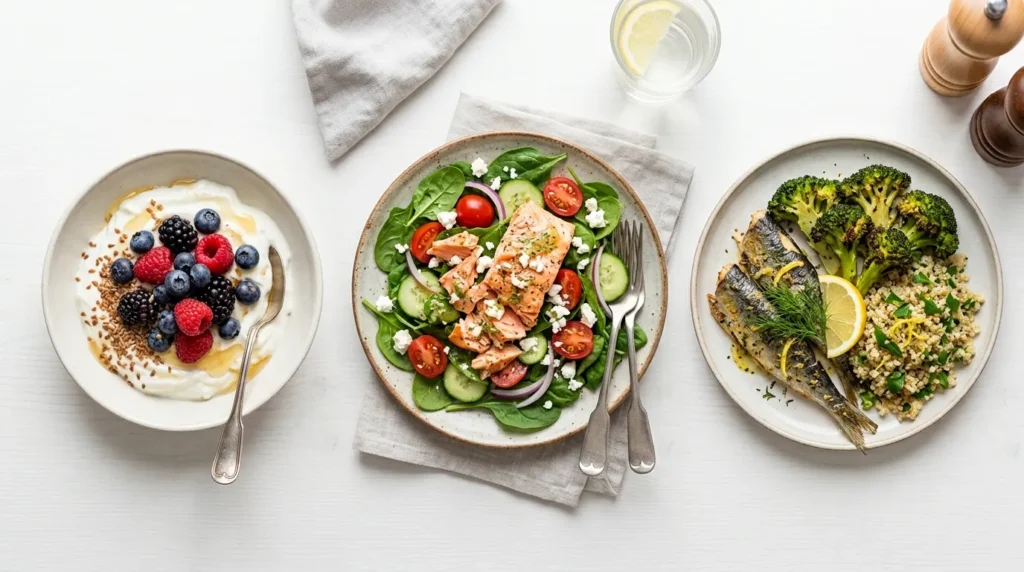
Breakfast: Greek yogurt topped with blueberries, ground flaxseed, and a drizzle of honey
Lunch: Spinach and kale salad with grilled salmon, cherry tomatoes, avocado, and an olive oil-lemon dressing
Snack: A small handful of walnuts and an orange
Dinner: Baked sardines or salmon with roasted broccoli and a side of quinoa (a whole grain)
Evening: A cup of green tea, optionally with a small piece of dark chocolate
This template naturally incorporates omega-3 fatty acids, antioxidants, healthy fats, and fiber, while staying almost entirely free of refined sugar, trans fats, and heavily processed ingredients — the exact framework a genuinely sustainable anti-inflammatory lifestyle is built on.
Building a Sustainable Anti-Inflammatory Lifestyle
Diet is powerful, but it works best as part of a broader anti-inflammatory lifestyle rather than an isolated fix.
Hydration deserves special mention — adequate water intake supports skin elasticity and helps the body flush inflammatory byproducts more efficiently. Green tea, rich in polyphenols, is a particularly strong hydration choice that pulls double duty as an antioxidant source. Ingredients like turmeric (thanks to its active compound curcumin) and ginger are also worth incorporating regularly, whether stirred into a curry, blended into a smoothie, or steeped as tea, since both have a long-standing reputation in anti-inflammatory nutrition circles.
Consistency matters far more than perfection here. A genuinely sustainable approach means aiming for balanced nutrition most of the time, rather than chasing an all-or-nothing elimination diet that’s difficult to maintain long-term.
Sleep and stress management also deserve a mention, since both directly influence inflammatory markers in the body regardless of how well you’re eating. Chronic sleep deprivation and prolonged stress elevate cortisol, which can undermine even a well-planned anti-inflammatory diet. Treating nutrition as one pillar of a broader routine — alongside adequate sleep, regular movement, and stress management — tends to produce far more noticeable, lasting skin improvements than diet changes in isolation.

Inflammatory vs. Anti-Inflammatory Foods at a Glance
| Category | Inflammatory Choice | Anti-Inflammatory Swap |
|---|---|---|
| Sweeteners | Refined sugar, sugary drinks | Fresh fruit, small amounts of honey |
| Fats | Trans fats, fried foods | Olive oil, avocado, walnuts |
| Carbohydrates | White bread, white pasta | Whole grains, legumes |
| Protein | Heavily processed deli meats | Fatty fish like salmon and sardines |
| Snacks | Packaged chips and pastries | Nuts, seeds, Greek yogurt |
| Beverages | Soda, sugary coffee drinks | Green tea, water, kombucha |
Common Mistakes When Following an Anti Inflammatory Diet for Skin

Starting an anti inflammatory diet for skin is a positive step toward achieving a healthier complexion, but many people make simple mistakes that can limit their results. Avoiding these common pitfalls can help you reduce inflammation more effectively and support long-term skin health.
Expecting Overnight Results
One of the biggest mistakes is expecting clearer skin within a few days. While some people notice improvements quickly, reducing inflammation takes time. Most skin experts recommend following an anti-inflammatory eating pattern consistently for several weeks before evaluating the results.
Eating “Healthy” Processed Foods
Not every product labeled as “healthy” or “natural” is beneficial for your skin. Many packaged snacks, protein bars, flavored yogurts, and cereals contain added sugars, refined oils, and artificial ingredients that may contribute to inflammation. Choose whole, minimally processed foods whenever possible.
Ignoring Overall Nutrition
Focusing on a single “superfood” won’t transform your skin. An effective anti inflammatory diet for skin includes a variety of colorful fruits, vegetables, whole grains, healthy fats, lean proteins, nuts, seeds, and omega-3-rich foods. A balanced diet provides the nutrients your skin needs to repair and protect itself.
Not Drinking Enough Water
Hydration plays an important role in maintaining your skin barrier and overall skin health. Even the healthiest diet may not deliver its full benefits if you’re consistently dehydrated. Aim to drink enough water throughout the day while also eating water-rich foods like cucumbers, oranges, and watermelon.
Consuming Too Much Sugar and Refined Carbohydrates
Many people add healthy foods to their diet but continue consuming large amounts of sugary drinks, desserts, white bread, and highly processed snacks. These foods can increase inflammation and make it more difficult to achieve clear, glowing skin. Replacing refined carbohydrates with whole grains is a smarter long-term strategy.
Forgetting About Gut Health
Your gut and skin are closely connected. A lack of fiber and fermented foods may affect your gut microbiome, which can influence inflammation throughout the body. Including foods such as yogurt with live cultures, kefir, kimchi, sauerkraut, and plenty of fiber-rich vegetables can support both gut and skin health.
Being Inconsistent
Healthy skin isn’t the result of a perfect meal or one week of clean eating. Consistency matters far more than perfection. Building sustainable eating habits and making small improvements over time will deliver better results than following extreme diets that are difficult to maintain.
Frequently Asked Questions
Can diet really improve acne and skin inflammation?
Diet is not a guaranteed cure, but a growing body of nutrition research links lower-glycemic, anti-inflammatory eating patterns to reduced acne severity and calmer, less reactive skin for many people.
How long does it take to see skin results from an anti-inflammatory diet?
Most people notice gradual changes in texture and clarity over four to eight weeks of consistent eating, since skin cell turnover and gut microbiome shifts both take time.
What is the best diet for clear skin?
The Mediterranean diet is one of the most well-supported eating patterns for clear, healthy skin, thanks to its emphasis on fatty fish, olive oil, vegetables, and whole grains alongside limited processed foods.
Are dairy and gluten inflammatory for skin?
Responses vary significantly by individual — some people notice a clear connection between dairy or gluten and breakouts, while others see no effect at all, so personal tracking is more useful than blanket elimination.
What foods should I avoid for eczema or rosacea flare-ups?
Common triggers include refined sugar, alcohol, and very spicy foods, though the most reliable approach is tracking your own flare-ups against your diet, since individual triggers differ widely.
Final Thoughts
A genuinely effective anti-inflammatory diet for skin isn’t about restriction or chasing a perfect eating plan—it’s about consistently choosing foods that support your skin barrier, calm systemic inflammation, and nourish your gut, while gradually crowding out processed, sugar-heavy foods that work against you. Start with a few simple swaps: enjoy fatty fish twice a week, add a daily handful of antioxidant-rich fruits and vegetables, and replace refined carbs with whole grains. For more beauty and wellness inspiration, PreppyGlow offers practical guides to help you build healthy habits that support radiant skin.
Clear, glowing skin is rarely the result of one dramatic change—it’s the compounding effect of small, sustainable choices made consistently over weeks and months. This guide provides the proven framework; PreppyGlow is here to support your journey with trusted skincare, nutrition, and lifestyle tips so your next glowing step starts with your very next meal.
