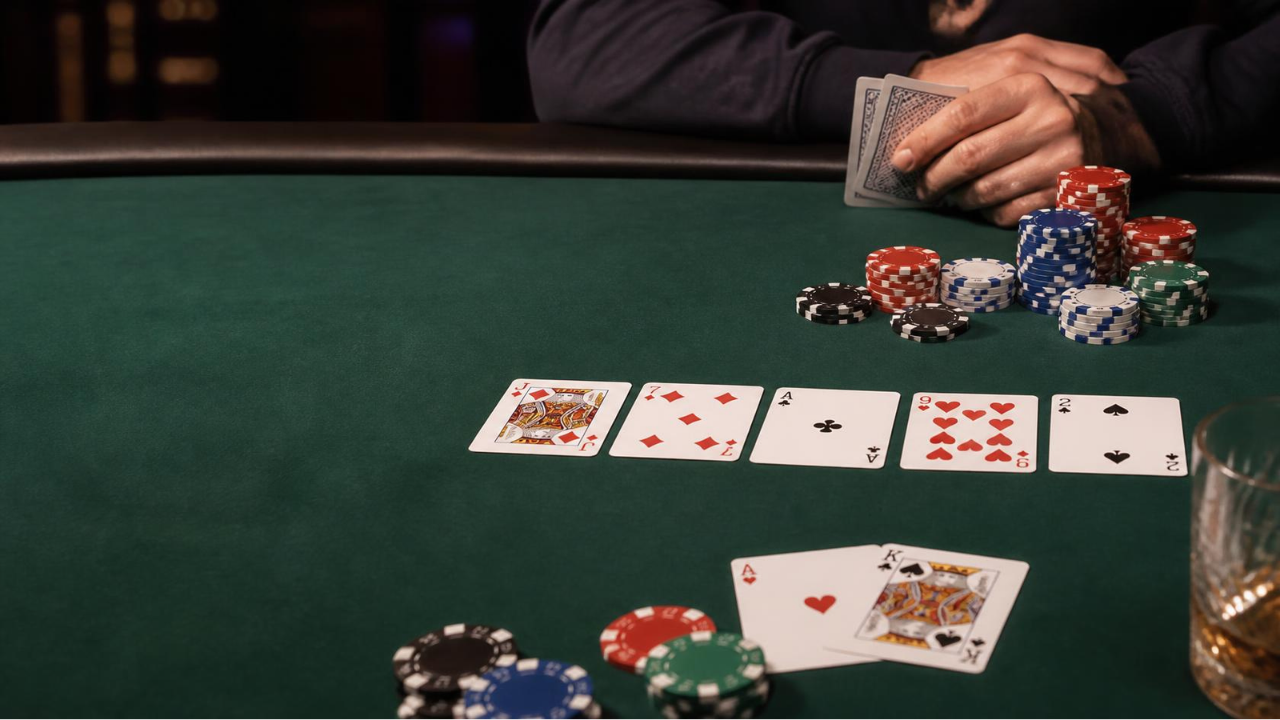
Mastering Basic Texas Holdem Poker Strategy Today
A good Holdem player does not need fancy talk to win low stakes games. Cards lie. Chips tell the truth. Basic strategy starts with choosing fewer hands, betting clear amounts, and watching who folds too much. Players studying online rooms also notice rule differences before money hits the table. Foreign casinos, including https://inpromotion.cz/, publish payment notes for Czech players so bankroll checks do not turn into messy guesswork. A tight plan feels boring at first. Good. Boredom keeps weak aces and pretty suited trash out of trouble. The best beginners track three things: position, pot size, and the habits shown by each rival after the flop. With those details, luck stops running the whole show. Bad sessions still happen, but fewer chips leak away during them.
Starting hand choices beat lucky feelings
Most losing streaks begin before the flop. A player calls with king-nine offsuit, misses the board, then pays for one more card because the pot already looks big. That habit burns money. Strong basic play starts with pairs, big aces, suited broadway cards, and hands that play well in late position. Small suited connectors need deep stacks and calm judgment, not hero dreams.
On a casino for Czechs page, zahraniční online casino sites marked as trusted brands are sorted beside limits and bonuses, but no bonus saves loose starting hands. One sentence helps at a full table: early seats need strength, middle seats need care, late seats get room to steal. Simple works.
A beginner who folds ace-rag under the gun looks passive to some rivals. Fine. The same player avoids being trapped by better aces, and the saved bets matter after two hours.
Position turns average cards into profit
Position means acting later in the betting round. It sounds small. It is not. The button sees checks, bets, timing pauses, and stack nerves before making a choice. That extra information changes a thin call into an easy fold or a small bluff into a clean steal.
Early position asks for discipline because six or seven players still wait behind. A raise with queen-jack can run into ace-king, pocket queens, or a squeeze from the blinds. Late position is different. If everyone folds, a player can open more hands and pressure blinds that hate defending without position.
There is a catch. Late seats do not excuse random clicking. The open size should match table texture. Against calling stations, bigger bets with strong hands get paid. Against tight blinds, smaller steals risk less. The button is power, but only for a player who has watched the table first.
Bet sizing should say something
Random bet sizes confuse the bettor more than the table. Half pot on one street, tiny on the next, and a panic shove on the river tells observant rivals that the story is broken. A clean plan keeps choices simple. Value hands bet enough to be called by worse hands. Bluffs ask better hands to fold at a fair price.
Small stakes players love calling. So bluffing them every orbit is a tax. Top pair with a good kicker should bet for value against someone who calls bottom pair twice. A busted draw should check more often against the same rival, because that rival came to see showdowns.
Pot size gives the math. If the pot is $20, a $10 bet offers the caller 3-to-1 after matching. A draw needing one card with about 20% equity should not love that price unless extra chips are likely later. Math is dull. It also saves rent money.
Reading players without movie drama
Poker tells are rarely sunglasses and trembling hands. Online, they are bet patterns, timing, and showdowns. A player who snap-calls flop and turn, then tanks river, has changed comfort level. That pause matters. A rival who checks strong hands twice and then raises river deserves respect until proven wild.
Notes help more than memory. “Called three streets with second pair” is useful. “Bluffed missed flush draw after betting flop” is useful too. After fifty hands, these notes turn guesses into cleaner decisions. No one reads souls. They read repeated actions.
Beginners should also watch their own image. If a player folded for thirty minutes, a first raise gets respect. If the same player showed two wild bluffs, top pair will call lighter against them. Image is not ego. It is data created by visible choices, and smart opponents store it.
Bankroll rules keep strategy alive
A perfect fold means little if the next buy-in is rent money. Texas Holdem punishes stress fast. A simple cash game rule is twenty buy-ins for the stake, and more if the table is wild. For $0.05/$0.10, a $200 roll gives room to breathe. Shorter rolls demand smaller tables.
Loss limits protect the mind. Two buy-ins down in one night is enough for many new players. Stand up. The cards will be there tomorrow. Tracking sessions in a sheet with date, stakes, hands played, and profit shows leaks faster than memory.
One last drill fits any table. Before calling a river bet, the player should name the worse hand that pays or the better hand that folds. If no hand comes to mind, the chips stay home. That short pause pays well. The next hand then starts with a clear question, not a rescue mission after one stubborn call, one sigh, and one bored click.
