
Summer Glow Routine: How to Keep Skin Clear in the Heat 2026
Rising temperatures, sweat, and humidity don’t just make you uncomfortable — they change how your skin behaves. Excess oil, clogged pores, and dullness are common complaints once summer sets in, which is why a dedicated Summer Glow Routine matters more than most people realize. This guide walks you through a practical, dermatologist-informed Summer Glow Routine that keeps your complexion clear, hydrated, and protected, no matter how high the mercury climbs. You’ll learn exactly which products to use, in what order, and why each step matters for hot-weather skin.
If you’ve already read our broader seasonal guide in the Seasonal Glow Hub, this article goes deeper into the specific summer skin care routine adjustments — SPF selection, oil control, and sweat-proofing — that the pillar guide only touches on briefly.
Why Summer Skin Behaves Differently
Heat and humidity increase sebum production, which is your skin’s natural oil. Combined with sweat, sunscreen, and environmental pollutants, this excess oil mixes with dead skin cells and clogs pores far more easily than it does in cooler months. That’s the core reason a proper summer skin care routine looks different from your winter one.
At the same time, UV exposure is more intense in summer. UVA rays contribute to premature aging and hyperpigmentation, while UVB rays are the primary cause of sunburn and long-term sun damage. The American Academy of Dermatology (AAD) and the Skin Cancer Foundation both recommend daily use of a broad-spectrum sunscreen with at least SPF 30, reapplied every two hours during extended outdoor exposure, regardless of season.
Understanding these two forces — oil overproduction and UV intensity — is the foundation of any effective summer skincare routine. Everything else, from cleanser choice to nighttime repair, builds on managing those two variables.
Common Summer Skin Complaints
- Increased shine and excess sebum by midday
- Clogged pores and blackheads
- Heat rash in areas prone to friction and sweat
- Dehydration paired with oily skin (a common but confusing combination)
- Faster fading of makeup and sunscreen due to sweat
Recognizing which of these apply to you helps you customize the routine below rather than following it blindly.

Building Your Morning Summer Glow Routine Step-by-Step
Mornings set the tone for how your skin holds up against heat, sweat, and sun exposure. A consistent morning Summer Glow Routine should be lightweight, hydrating, and protective without feeling heavy or greasy by noon.
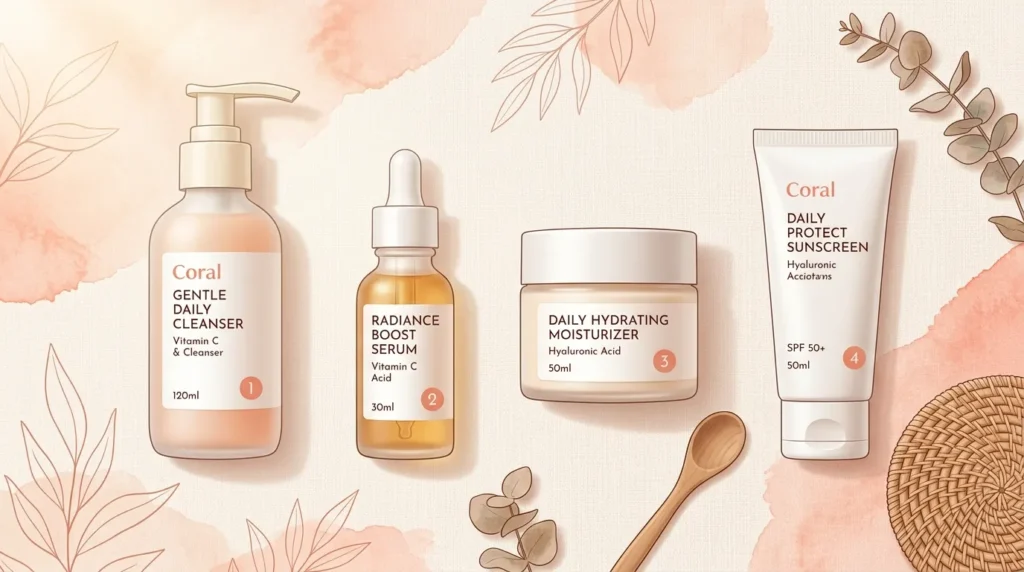
Step 1: Cleanse With a Gentle, Oil-Balancing Face Wash
Start with a face wash for summer that removes overnight buildup without stripping your skin barrier. Look for a salicylic acid cleanser if you’re prone to breakouts, since salicylic acid gently exfoliates inside the pore and helps prevent summer breakouts before they start. If your skin leans dry or sensitive, a gentler formula with aloe vera or green tea extract can cleanse without irritation.
Step 2: Apply a Hydrating, Antioxidant-Rich Serum
Vitamin C serum is a favorite for summer mornings because it pairs antioxidant protection with brightening benefits, helping counter the free-radical damage caused by UV exposure. If oil control is your bigger concern, a niacinamide serum helps regulate sebum production while calming redness — making it one of the most useful additions to a summer skincare routine for oily skin.
Hyaluronic acid is another key player here. Despite being oily, summer skin can still be dehydrated, especially with air conditioning and sun exposure pulling moisture from the surface. Layering a hyaluronic acid serum before moisturizer keeps hydration levels balanced.
Step 3: Moisturize With Something Lightweight
Skip heavy creams. A lightweight gel moisturizer or oil-free moisturizer absorbs quickly and won’t leave a greasy film under makeup or sunscreen. This is the step most people get wrong in their summer skincare routine — reaching for the same rich cream they use in winter, which only adds to excess oil and clogged pores.
Step 4: Never Skip Sunscreen
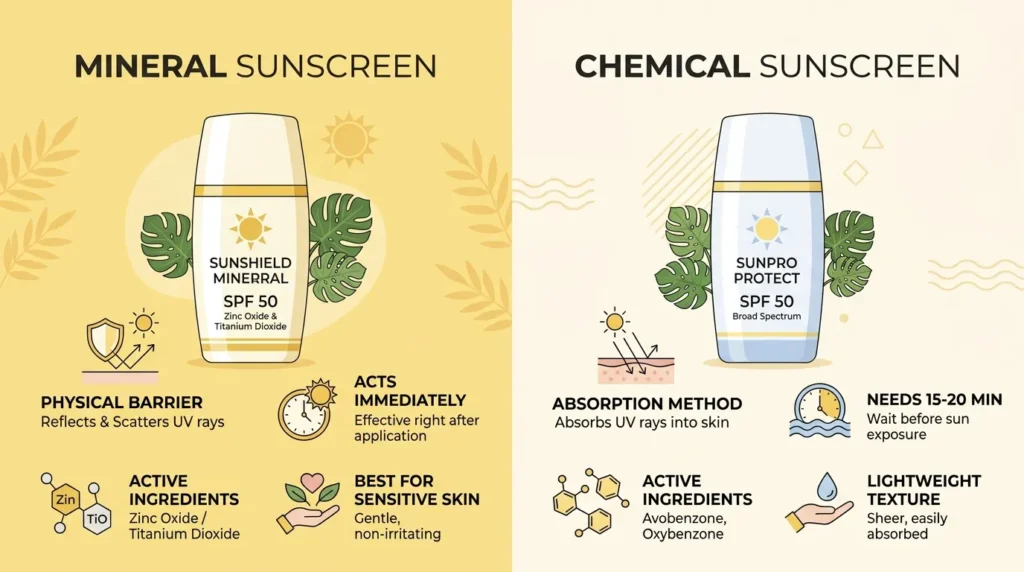
This is arguably the most important step in the entire Summer Glow Routine. Choose a broad-spectrum sunscreen with SPF 30 for daily wear, or SPF 50 if you’ll be outdoors for extended periods. For acne-prone or oily skin, a non-comedogenic sunscreen — meaning it won’t clog pores — is essential. Mineral formulas with zinc oxide or titanium dioxide are generally better tolerated by sensitive or breakout-prone skin than heavier chemical formulas.
Evening Summer Glow Routine for Overnight Repair
Your evening routine exists to undo the day’s damage — sweat, sunscreen residue, pollution, and oil buildup. A proper evening summer skincare routine focuses on deeper cleansing, targeted treatment, and barrier repair.
Double Cleansing Matters More in Summer
Sunscreen, especially mineral formulas, can sit on the skin’s surface and resist a single wash. Start with a gentle oil or balm cleanser to break down sunscreen and sweat, then follow with your salicylic acid cleanser to clear pores. This two-step method is one of the simplest ways to reduce oily skin naturally without over-drying.
Treat Breakouts Directly
If you’re dealing with an active summer acne treatment need, spot-treat with salicylic acid or a benzoyl peroxide product rather than reapplying it across your entire face, which can dry out unaffected areas unnecessarily.
Support the Skin Barrier Overnight
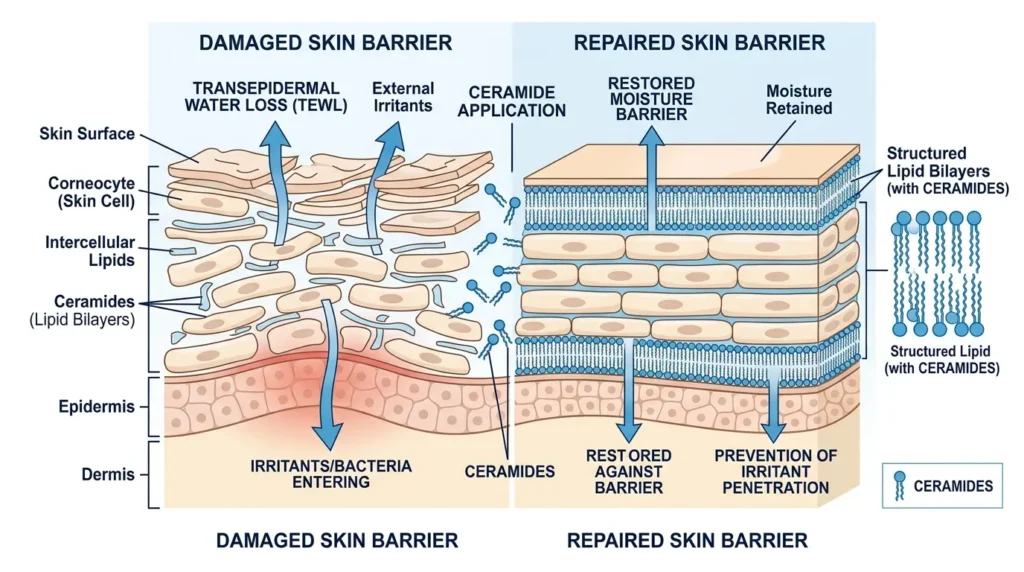
Even oily, acne-prone skin needs barrier support. Ceramides help reinforce the skin’s natural barrier, which gets compromised by sun exposure, sweat, and frequent washing during summer. A thin layer of a ceramide-based moisturizer overnight can reduce sensitivity and improve how well your skin tolerates active ingredients like salicylic acid and vitamin C.
Exfoliate — But Don’t Overdo It
Exfoliation two to three times a week helps clear the dead skin cells that mix with sweat and oil to form clogged pores. Over-exfoliating, however, damages the skin barrier and can actually worsen breakouts, so moderation is key to a sustainable summer skin care routine.
How to Prevent Summer Breakouts With the Right Habits
Preventing breakouts in summer isn’t only about products — daily habits play a major role too. Here’s how to prevent summer breakouts beyond the basics already covered above.
Keep a Facial Mist Handy
A facial mist with aloe vera or green tea extract can cool the skin, remove surface sweat, and refresh makeup without adding oil. This is especially useful for anyone spending long hours outdoors or commuting in heat.
Change Pillowcases and Towels More Often
Sweat and oil transfer easily onto fabric, then back onto your skin. Washing pillowcases and face towels more frequently during summer reduces the bacteria and buildup that contribute to clogged pores.
Avoid Touching Your Face
Humidity makes skin feel sticky, which often leads to more face-touching throughout the day. This transfers dirt and oil directly into pores, undoing the work of your morning summer skincare routine.
Blot, Don’t Wipe
Blotting papers absorb excess sebum without disturbing sunscreen or makeup underneath, unlike wiping with a tissue, which can smear product and reduce SPF protection.
Stay Hydrated From the Inside
Dehydration affects skin from the inside out. Drinking enough water supports your skin barrier and can reduce the appearance of dullness that heat and sun exposure tend to cause.
Best SPF for Summer: Choosing Sunscreen That Won’t Clog Pores
Picking the best SPF for summer is arguably the single highest-impact decision in your entire Summer Glow Routine, since sun damage is cumulative and largely irreversible.
SPF 30 vs. SPF 50
SPF 30 blocks about 97% of UVB rays, while SPF 50 blocks about 98%. The difference is small in percentage terms but meaningful for people with fair skin, a history of sun damage, or extended outdoor exposure. For daily commuting and indoor-heavy days, SPF 30 is generally sufficient. For beach days, hikes, or outdoor sports, SPF 50 offers extra margin, especially with proper reapplication.
Mineral vs. Chemical Sunscreen for Oily, Acne-Prone Skin
Mineral Sunscreens using zinc oxide or titanium dioxide sit on top of the skin and are less likely to irritate acne-prone or sensitive skin. Chemical sunscreens absorb into the skin and can feel lighter, but some formulas contain ingredients that irritate breakout-prone skin. Testing a small amount before committing to a full-face application is a smart step for anyone unsure which category suits them.
Reapplication Is Non-Negotiable
Sunscreen breaks down under sun exposure and sweat. The AAD recommends reapplying every two hours outdoors, and immediately after swimming or heavy sweating. A pressed mineral powder SPF is a convenient way to reapply over makeup without disrupting your look.
Adjusting Your Skincare for Humidity and Sweat
Not all summers feel the same. A dry, high-heat climate creates different skin challenges than a humid, coastal one, so a one-size-fits-all approach rarely works long-term. Adjusting your daily skincare for humidity is one of the most overlooked parts of building a routine that actually lasts through the season.
High-Humidity Climates
In humid conditions, skin often feels sticky rather than dry, even though moisture isn’t necessarily being absorbed effectively — which is exactly why a humid-weather Summer Glow Routine looks different from a dry-climate one. Sweat mixes with sunscreen and sebum on the surface, creating a film that traps dirt and bacteria against the skin, so this stage of your Summer Glow Routine should focus on lightness over coverage. In these humid-day conditions, a Summer Glow Routine should prioritize:
- Gel-based, water-based formulas over creams or balms
- Frequent blotting rather than reapplying full-coverage products
- A lighter double-cleanse in the evening to remove the sweat-sunscreen-oil layer that builds up over a humid day
Hot, Dry Climates
Dry heat pulls moisture out of the skin surprisingly quickly, even when oil production stays high. This combination — dehydrated but still oily — is common in desert-like or high-altitude summer climates. Here, hydration becomes the priority alongside oil control:
- Layer a hyaluronic acid serum under moisturizer to offset water loss from dry air
- Use a facial mist midday to reintroduce surface hydration without heavy reapplication
- Avoid alcohol-heavy toners or astringents, which can worsen dehydration in already-dry air
Indoor Air Conditioning Matters Too
Spending long hours in air-conditioned offices or homes dries out the skin in a similar way to dry outdoor heat, even during a humid summer outside. If you notice tightness or flaking despite the heat outdoors, your indoor environment may be the bigger factor, and a slightly richer evening moisturizer can help offset it without undoing your daytime oil control.

Weekly Summer Skincare Checklist
Use this simple checklist to keep your routine consistent without overthinking it every day:
- Daily (AM): Cleanse, antioxidant serum, lightweight moisturizer, broad-spectrum sunscreen
- Daily (PM): Double cleanse, targeted treatment (if needed), barrier-repair moisturizer
- 2–3x per week: Gentle exfoliation (chemical exfoliants preferred over harsh scrubs)
- Ongoing: Reapply sunscreen every two hours when outdoors; carry blotting papers and a facial mist for midday refreshes
- Weekly: Wash pillowcases and face towels; check sunscreen expiration dates, since heat can degrade SPF formulas faster than expected
Keeping this checklist somewhere visible — a bathroom mirror note or a phone reminder — makes it far easier to stay consistent through the busiest parts of summer, when routines tend to slip first.
Comparison Table: Lightweight Moisturizers and Sunscreens for Summer
| Product Type | Best For | Key Ingredient | Texture | Non-Comedogenic |
|---|---|---|---|---|
| Gel Moisturizer | Oily/combination skin | Hyaluronic Acid | Lightweight, watery | Yes |
| Oil-Free Lotion | Normal to oily skin | Niacinamide | Light, matte finish | Yes |
| Mineral Sunscreen SPF 30 | Sensitive/acne-prone skin | Zinc Oxide | Slightly thick, matte | Yes |
| Mineral Sunscreen SPF 50 | Extended outdoor exposure | Titanium Dioxide | Medium, matte | Yes |
| Chemical Sunscreen SPF 30 | Normal skin, daily wear | Avobenzone/Octinoxate | Very light, sheer | Varies by formula |
| Ceramide Night Cream | Barrier repair (all skin types) | Ceramides | Balm-like, richer | Check label |
This table is a quick-reference starting point; always patch-test new products, especially sunscreens, before applying them to your full face.
A Note on Product Selection
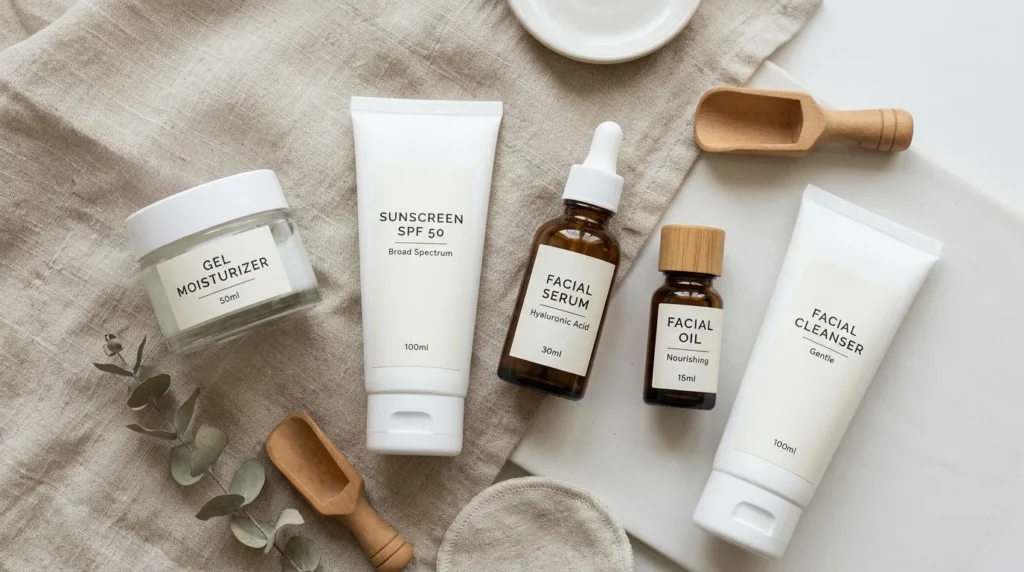
Building a Summer Glow Routine doesn’t require an expensive overhaul of your entire cabinet. Many people find success gradually swapping in lighter formulas rather than replacing everything at once. For instance, some readers following our Seasonal Glow Hub series have started with preppyglow’s lightweight gel moisturizer as a simple first swap, since it’s formulated to be non-greasy and layer well under mineral sunscreen — a small change that can make the rest of a hot-weather routine noticeably more comfortable to stick with.
Frequently Asked Questions
How can I keep my skin fresh in summer without over-washing it?
Cleanse twice daily — morning and evening — rather than more frequently. Over-washing strips the skin barrier, which can trigger more oil production as skin tries to compensate.
What’s the best summer skincare routine for oily skin specifically?
Focus on a salicylic acid cleanser, a niacinamide serum, an oil-free moisturizer, and a non-comedogenic sunscreen. Skip heavy creams and oil-based products entirely.
Can I skip moisturizer if my skin is already oily in summer?
No. Skipping moisturizer often causes skin to overproduce oil to compensate for lost hydration. A lightweight gel moisturizer keeps this cycle in check.
How do I stop makeup from sliding off in humidity?
Use a mattifying, oil-free moisturizer and sunscreen as your base, let each layer absorb fully before the next, and carry blotting papers or a setting spray for touch-ups throughout the day.
Is SPF 30 enough, or should I use SPF 50 in summer?
SPF 30 is sufficient for most daily indoor/outdoor mixed days. SPF 50 is worth it for beach days, hiking, or any extended direct sun exposure, paired with reapplication every two hours.
Why does my skin feel oily and dehydrated at the same time in summer?
This happens when the skin barrier is compromised, often from heat, sweat, or over-cleansing. The skin overproduces oil to compensate for water loss, which is why hydrating (not just mattifying) products are still necessary.
Conclusion: Making Your Summer Glow Routine Sustainable
A reliable Summer Glow Routine comes down to a handful of consistent habits: gentle cleansing, lightweight hydration, diligent sun protection, and small daily adjustments like blotting and hydration. None of these steps are complicated on their own — the difference comes from doing them consistently through the hottest months, when skin is most vulnerable to oil buildup, breakouts, and sun damage.
Start with the morning and evening steps outlined above, choose products from the comparison table that match your skin type, and adjust gradually rather than overhauling everything at once. Over time, this approach to a summer skin care routine should leave your skin clearer, calmer, and genuinely glowing — not just masked under blotting papers and makeup.
