Preppy Room Decor: Best Picks & DIY Ideas for Every Budget
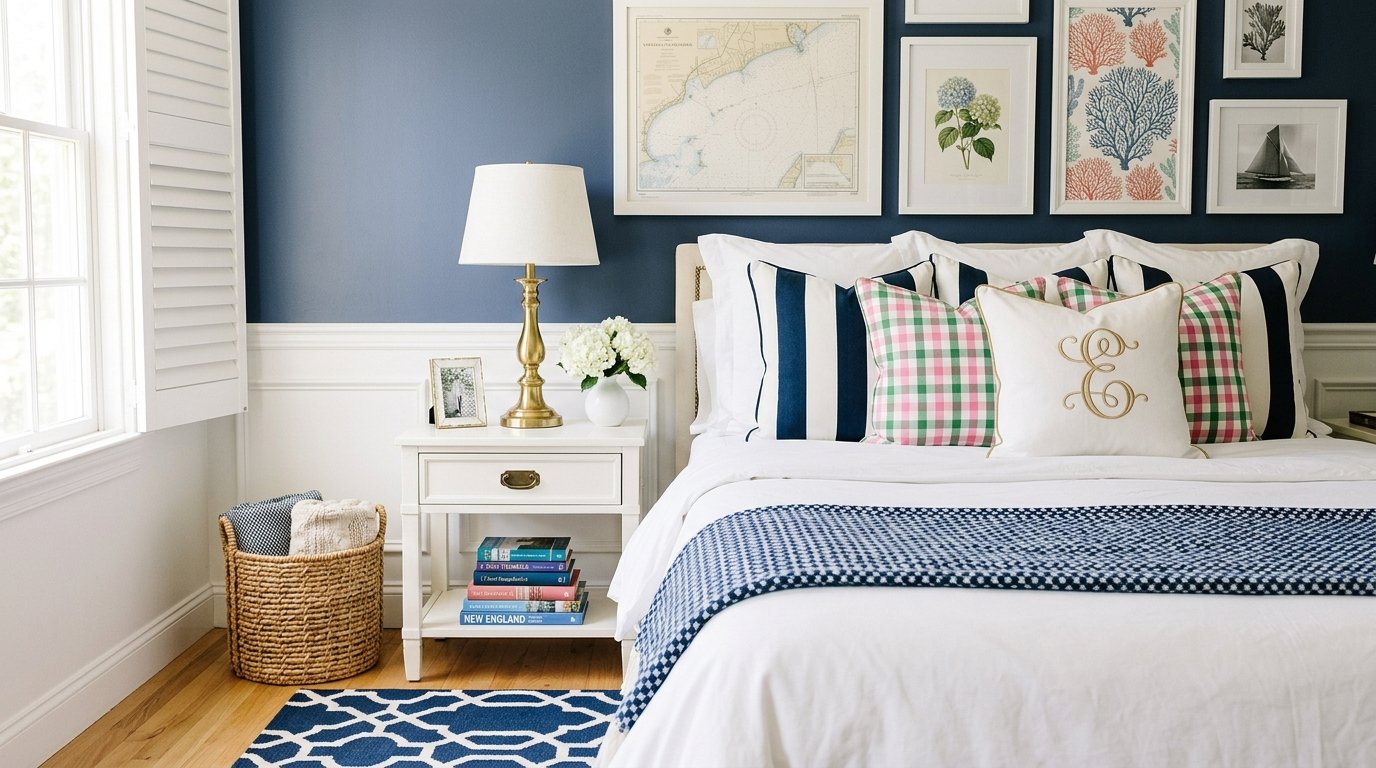
There’s a certain confidence to a preppy room, the kind that looks effortlessly put-together without being overly precious. Navy blue and white bedding, a framed crest on the wall, plaid throw pillows, and a bookshelf styled with a mix of leather-bound classics and small potted plants. It reads instantly: classic, polished, personal. But pulling it off without crossing into costume territory takes some real thinking. This guide breaks down exactly how to do it with real room-planning insight, DIY ideas, textile layering, and budget-smart upgrades whether you’re outfitting a college dorm, a teen’s bedroom, or a home study.
What Preppy Room Decor Actually Means (And Where It Came From)
The word “preppy” traces back to American preparatory schools private, academically rigorous institutions that shaped a very specific visual culture: blazers with crests, rowing trophies, lacquered furniture, collegiate colors. Over decades, that culture evolved from purely Ivy League into a broader preppy interior style that now lives comfortably in modern homes, apartments, and shared dorms.
At its core, preppy aesthetic decor is about precision and personality existing in the same space. It’s not minimalism there’s pattern, color, and history on the walls. But it’s also not maximalism everything earns its place. The aesthetic tends to favor:
- Classic color combinations anchored in navy, forest green, white, and red
- Striped patterns, plaid design, and gingham fabric as textile staples
- Monogram decor and framed artwork as personal signatures
- Classic wooden furniture with clean lines and quality finishes
- A quiet nod to nautical theme decor or collegiate crests
For a deeper look at the cultural roots of this style, Preppyglow offers an excellent breakdown of preppy style history and how it translates into modern interiors.
The style has been popularized over decades through American fashion and interior culture, reinforced in the 1980s by the rise of prep-inflected lifestyle brands and coastal living aesthetics. Today it reads less as a status marker and more as a design philosophy: classic interior styling with room for personal expression.
Building Your Preppy Color Story the Right Way
Color is where most people get tripped up. They go too dark, too matchy, or too safe. A strong preppy color scheme isn’t about picking three shades from a swatch book it’s about understanding weight and proportion.
The 60-30-10 rule is your best friend here. Sixty percent of the room’s color should be your dominant usually a neutral like white, cream, or soft linen. Thirty percent is your secondary, where the character lives: navy blue decor, forest green interiors, or a deep burgundy. The final ten percent is your accent gold hardware, a crimson pillow, a bright yellow lamp.
Choosing a Palette That Lasts Beyond the Season
A common mistake is chasing whatever’s trending in pastel color palettes that year. Blush and sage may look beautiful today, but a preppy room is designed to feel timeless. The palettes that hold up:
- Navy + white + gold — the classic. Clean, structured, never boring.
- Forest green + cream + tan — earthy and collegiate, great for rooms with wood tones.
- Red + navy + white — bold, graphic, and deeply rooted in prep aesthetics.
- Soft blue + white + natural linen — lighter and more coastal in feel.
Color psychology in interiors matters more than people admit. Research referenced by Verywell Mind consistently shows that cooler tones in a sleep environment reduce cortisol levels, while warmer tones in a work area can improve focus. For a room that functions as both study and sleep space, anchor the desk zone in warm whites or greens, and keep the bed area in cooler navies or soft neutrals.
A bold accent wall works in preppy rooms but only if it’s one wall, and only if the color is confident. A navy wall with white trim reads elegant. Four navy walls reads like a cave.
Pattern Play: How to Mix Without Making a Mess
Stripes, plaids, gingham, polka dots preppy bedroom ideas almost always involve more than one pattern. The intimidating part is mixing them without the room looking chaotic.
The rule that actually works: vary scale, unify color. A large-scale plaid design in your duvet, a small-scale gingham fabric on your throw pillows, and a thin-stripe linen on your curtains can all coexist if they share the same base colors. The eye reads the palette first, pattern second.
Textile Layering Done Right
Layered fabrics are essential to the cozy and stylish space that defines the best preppy rooms. Think of it as building texture from the floor up:
- Rugs: A classic striped or bordered wool rug grounds the room. Natural fibers like sisal or jute work beautifully under a patterned area rug.
- Bedding: Start with crisp white base layers (the “preppy pillow and throws” signature look), then add a plaid or crested duvet.
- Pillows: Mix decorative pillows three shapes, two patterns, one solid. That’s it.
- Drapes: Keep window treatments in a solid or very subtle stripe. Busy curtains fight everything else.
Mixed pattern styling is one of those skills that looks intuitive in great rooms but is actually quite deliberate. If you’re unsure, start with a two-pattern combination before adding a third.
Layout First: Planning Before You Decorate
This is the step most style articles skip, and it’s the one that makes the biggest difference. A beautifully decorated room with poor layout will always feel off. Room layout planning needs to happen before a single piece of decor goes up.
A useful tool for this is a room planner tool Coohom’s room designer, for example, lets you map furniture placement digitally before moving anything physical. It’s especially helpful for small rooms where every inch counts.
Space Zoning for Sleep, Study, and Lounge
Space zoning is the technique of dividing a single room into functional areas: sleep, study, and ideally a small lounge or reading corner. In a typical bedroom layout:
- The bed anchors the sleep zone, ideally against the longest wall with clear circulation space of 30–36 inches on at least two sides.
- The desk lives in the brightest natural light zone usually near a window to support productivity-focused interiors.
- A lounge corner, even just a chair and floor lamp, breaks up the room and makes it feel like a real living space, not just a functional one.
Interior layout optimization in small rooms often means choosing furniture that does double duty: a storage ottoman at the foot of the bed, a desk with built-in shelving, a bench with interior storage beneath the window.
Functional furniture is core to preppy interior design the style historically emerged from spaces that needed to be both elegant and practical.
Lighting That Makes Pattern and Task Both Look Great

Lighting is the underrated backbone of any stylish room makeover. Preppy rooms, with their pattern-heavy textiles and lacquered or glossy surfaces, need thoughtful layering to avoid two problems: flat, institutional light and harsh glare.
The Illuminating Engineering Society recommends desk lighting of 300–500 lux for focused task work. For bedside reading, 150–200 lux is sufficient. For ambient lighting that fills the room evenly without washing out pattern, aim for lighting temperature of 2700K–3000K warm white, not the blue-tinted cool white that makes navy look greenish and plaid look muddy.
A full layered lighting design for a preppy bedroom includes:
- Ambient lighting: Overhead fixture or flush mount, ideally with a dimmer
- Task lighting: Desk lamp with adjustable arm and directional shade
- Accent lighting: A table lamp on the nightstand, or a brass picture light above gallery art
- Glare control techniques: Matte lamp shades rather than glass, and anti-reflective glass on framed artwork
The WELL Building Standard identifies lighting quality as one of the most significant environmental factors affecting sleep and cognitive performance worth taking seriously when designing a room you’ll actually live and work in.
DIY Headboard, Skirted Nightstand, and Monogram Projects
The best DIY preppy room decor projects aren’t just cheap alternatives to store-bought pieces they’re opportunities to add personalization that mass-market products simply can’t offer. Here’s where to invest your weekend energy:
DIY Headboard
An upholstered DIY headboard is one of the highest-impact changes you can make to a bedroom. The method: a sheet of plywood cut to size, wrapped in batting and your chosen fabric (a classic navy linen or a subtle plaid), and mounted directly to the wall. Total cost: roughly $40–80 depending on fabric choice. Result: looks like a $400 custom piece.
For a more traditional preppy look, add nail-head trim around the perimeter. It takes patience but reads as incredibly polished.
Skirted Nightstand
A skirted nightstand is one of the most underused ideas in bedroom design. Take any small table even a thrift-store find and add a floor-length fabric skirt in gingham or a solid linen. It hides storage underneath, adds softness to the room, and gives a very classic, collected feel. This is a legitimate budget DIY decor move that looks expensive.
Monogram Decor
Monogram decor is quintessentially preppy. Options range from custom embroidered pillow covers to painted wooden letters, framed monogram prints, or even an initial stenciled onto a painted accent wall. For a DIY version: order a wooden letter from a craft store, paint it in your accent color, mount it centered above a bookshelf or gallery wall. Cost: under $15. It reads as intentional and personal exactly what the best personalized room decor should feel like.
Materials: What Actually Holds Up in a Lived-In Preppy Room
The preppy interior tradition valued quality materials not as a luxury indulgence, but as a practical philosophy. A room meant to last years needs textiles and furniture that can take daily use without looking worn.
Linen and cotton fabrics are the textile workhorses of the preppy interior. They press well, wear well, and improve with washing. For upholstery textures, look for tight weaves over loosely woven fabrics a tightly woven cotton canvas on a chair seat will outlast a loosely woven linen by years.
For furniture, classic wooden furniture in oak, maple, or painted finishes (especially white or navy lacquer) defines the look. When sourcing sustainably, look for FSC wood certification a standard that ensures responsible forestry. Low-VOC paint finishes are worth seeking out for both environmental and health reasons, as referenced in the WELL Building Standard guidelines.
Painted furniture ideas offer one of the best bang-for-buck upgrades in a preppy makeover. A dated dresser painted in crisp white with new brass hardware transforms entirely. The same technique works on bookshelves, bedside tables, and even wooden chairs.
Storage That Actually Looks Tailored
Preppy rooms are not cluttered rooms. The aesthetic demands a kind of edited abundance books, art, personal items but everything organized with intention.
Decorative storage is the key concept. Storage in a preppy room should look deliberate, not utilitarian:
- Repurposed wooden crates stacked and secured make excellent open shelving with character
- DIY storage solutions using fabric baskets in coordinating colors keep surfaces clean
- Bookshelves styled with books (spines facing out) interspersed with small objects a framed photo, a small plant, a decorative box create that bookshelf styling look that reads as cultivated, not crowded
Home organization in the preppy tradition means having a place for everything and keeping visible surfaces to 70% capacity. That remaining breathing room is what makes a shelf look styled rather than jammed.
Art, Books, and the Personal Layer
A preppy room without personal touches is just a catalog page. The gallery wall ideas that work best in this aesthetic mix:
- Framed artwork in matching frames (black, white, or gold) at varying sizes
- Vintage accessories — a small trophy, a vintage pennant, an old map
- Aesthetic wall art that reflects actual interests: botanical prints, architectural drawings, rowing photography, or travel imagery
- Personal photos in consistent frames
The vintage decor pieces layer is what gives a preppy room its sense of history. Even if the pieces are thrifted, they add a lived-in quality that new-from-the-box decor cannot replicate.
Indoor plants decor is worth including a potted fern, a trailing ivy, or a small fiddle leaf adds life and softens the room’s pattern-heavy surfaces.
Acoustic Comfort: The Detail Nobody Talks About
Research from Steelcase and other workplace-environment bodies consistently shows that acoustic comfort the ability to control ambient noise and echo significantly affects both mood and cognitive performance. In a room designed for study and sleep, this matters.
Noise reduction in rooms can be achieved through:
- Heavy patterned textiles like wool rugs and thick drapes absorb sound effectively
- Upholstered furniture and fabric headboards reduce echo
- Bookshelves filled with books act as acoustic buffers along walls
- A fabric wall hanging or tapestry adds absorption without feeling clinical
This is the intersection of functional aesthetics design choices that serve dual purposes. A thick wool rug is beautiful and practical. A fabric canopy over the bed is atmospheric and acoustically useful.
Budget-Smart Upgrades With the Highest Visual Return
Not every preppy room design upgrade needs to be expensive. The projects with the best visual return per dollar:
| Upgrade | Approximate Cost | Visual Impact |
|---|---|---|
| DIY upholstered headboard | $40–80 | Very High |
| Painted furniture (dresser or desk) | $20–40 | Very High |
| New hardware on existing furniture | $15–40 | High |
| Gallery wall (mix of thrifted frames) | $30–60 | High |
| Skirted nightstand | $10–30 | Medium-High |
| Monogram wooden letter | $10–20 | Medium |
| New throw pillows in plaid or gingham | $20–50 | Medium-High |
| Wool accent rug (thrifted) | $15–50 | Very High |
| Brass picture light | $25–60 | High |
| Striped curtains | $30–80 | High |
For reference, a full DIY accent wall in a navy or forest green with proper painter’s tape and quality paint costs roughly $40–60 and is the single most transformative single-afternoon project in this style.
For those exploring the style from the beginning, Preppyglow is a helpful starting point for understanding which elements are core to the aesthetic versus which are optional.
Sustainable materials are increasingly available at budget price points low-VOC paints are standard at most hardware stores, and secondhand furniture is both economical and aligned with the repurposed-materials ethos.
A Weekend Project Plan That Actually Works
Weekend DIY projects work best when sequenced correctly. Here’s a realistic two-day plan for a preppy bedroom refresh:
Saturday Morning: Paint the accent wall. This needs to dry fully before anything else goes up.
Saturday Afternoon: Build or assemble the DIY headboard. While paint dries, paint any furniture pieces getting a refresh.
Sunday Morning: Style the bookshelf and plan the gallery wall layout on the floor before hanging anything.
Sunday Afternoon: Hang the gallery wall, install new hardware on painted furniture, style the bed with layered textiles, add indoor plants.
The sequence matters because balanced decor style requires seeing the room’s anchors wall color, headboard, bookshelf before adding the smaller accessories.
Frequently Asked Questions
How do I choose a preppy color palette that won’t feel dated five years from now?
Stick to historically rooted combinations: navy and white, forest green and cream, red and navy. These colors have appeared in preppy interiors for decades without feeling tired. Pastels and trendy accent colors are fine in small doses a throw pillow, a small vase but keep your dominant palette anchored in the classics. The accent color strategy should refresh easily as trends shift; your base shouldn’t need to.
What lighting levels should I aim for at my desk and bedside?
For desk work, target 300–500 lux of focused task lighting a good adjustable desk lamp with a daylight or warm-white bulb achieves this easily. For the bedside, 150–200 lux is enough for reading without disrupting the body’s evening wind-down. Keep lighting temperature across both zones between 2700K and 3000K for a warm, flattering glow that complements the textile-heavy palette of a preppy room.
How do I plan furniture placement in a small room?
Use a digital room planner tool (Coohom’s room designer is one option) to map the space before physically moving anything. Prioritize circulation space of 30–36 inches around the bed and desk. In a small room, avoid floating furniture away from walls unless you have genuine extra square footage in tight spaces, pushing the bed against a wall and using it like a daybed frees up significant floor area.
What patterns can I mix without the room looking chaotic?
The rule is: vary scale, unify color. A large-scale plaid, a medium-scale gingham, and a small-scale stripe all coexist if they share a common palette. Limit yourself to three patterns per room maximum, and make sure at least one element usually the bedding base or the rug is solid. Pattern mixing techniques fall apart when both scale and color vary simultaneously.
Which materials feel authentically preppy but survive daily wear?
Linen and cotton fabrics are the backbone tightly woven, easy to clean, and they age well. For upholstery textures, look for a cotton canvas or a wool blend on any frequently used surface. Painted wood furniture in quality enamel is durable and very reclaimable a chip or scratch can be touched up in minutes. Avoid velvet and delicate silks in rooms that see real daily use.
What are the best affordable DIY projects that look genuinely custom?
The highest-impact options: an upholstered headboard (fabric + plywood + batting), a skirted nightstand (any small table + floor-length fabric), and a monogram decor piece above the bookshelf or bed. These three DIY elements add the personal, collected quality that differentiates a truly preppy room from one that simply purchased preppy-adjacent items.
How do I control glare on glossy lacquers and framed artwork?
Position light sources at 30-degree angles to reflective surfaces rather than directly in front. Use matte lamp shades and opt for anti-reflective glass on framed prints and photographs. If existing overhead lighting creates glare, adding a dimmer switch is a low-cost fix that gives you full control over intensity throughout the day.
What acoustic fixes help a pattern-heavy room feel calmer?
Layers of patterned textiles wool rugs, heavy drapes, an upholstered headboard, fabric throw pillows absorb sound passively and effectively. A bookshelf filled with books provides surprising acoustic buffering along a shared wall. For a room that still feels echoey, a fabric wall hanging or textile art piece adds absorption without requiring structural changes.
How do I keep open shelves looking styled rather than stuffed?
The 70% rule: fill no more than 70% of available shelf space. Group items in odd numbers (three or five objects together look more natural than four or six). Alternate between vertical and horizontal book stacks. Use small objects a framed photo, a small plant, a decorative box to break up rows of books. Bookshelf styling in a preppy room should feel collected over time, not arranged all at once.
Can preppy decor be done sustainably?
Absolutely and it’s actually well-aligned with the aesthetic’s original ethos of quality over quantity. Choose FSC wood furniture, low-VOC paints, and natural fiber textiles like linen and cotton. Thrift stores and estate sales are genuinely excellent sources for the vintage accessories and classic wooden furniture that define the look pieces that already exist are the most sustainable option. Repurposed materials in DIY projects (wooden crates, secondhand frames, existing furniture given a paint refresh) reduce both cost and environmental impact simultaneously.
