Collagen-Boosting Foods: The Complete Guide to Firmer, Younger-Looking Skin (2026)
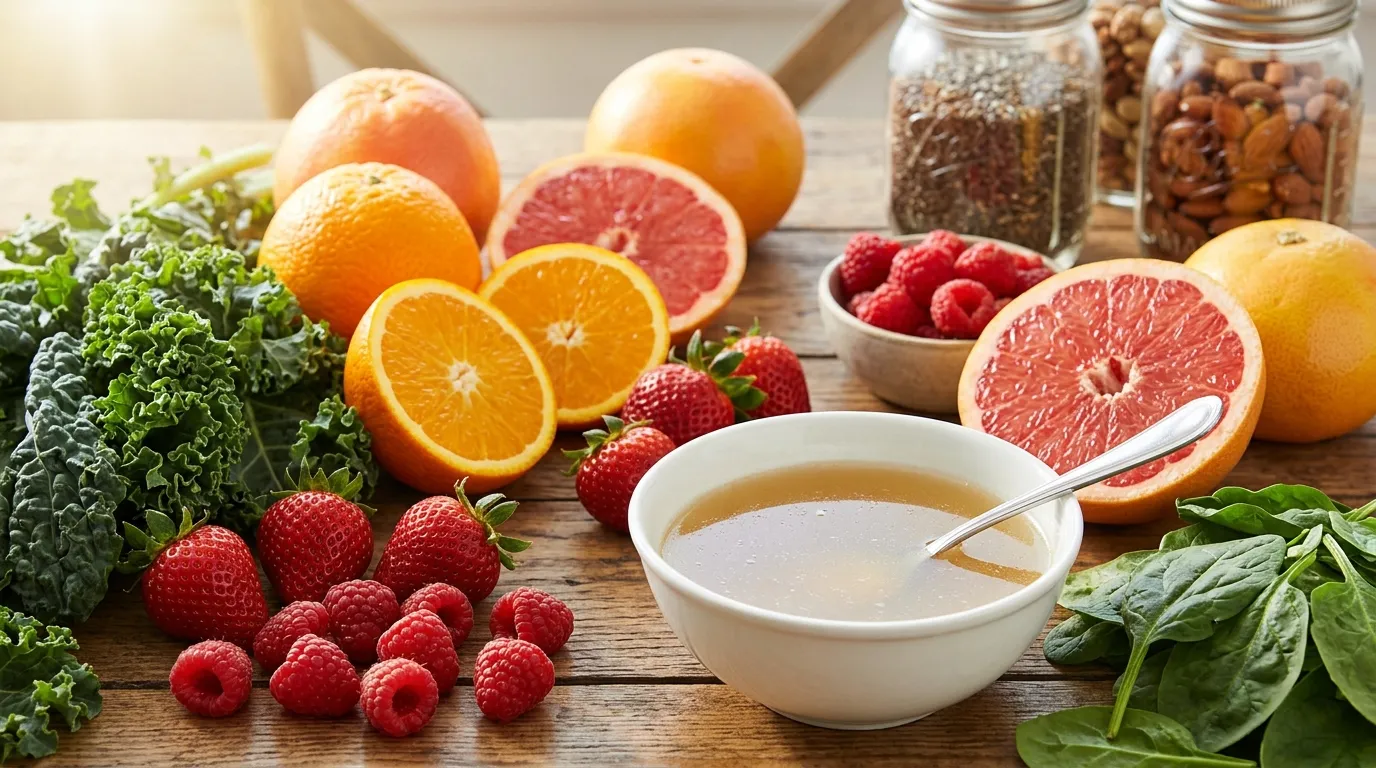
If your skin has started to feel a little less bouncy, a little more tired-looking, the answer might not be sitting on a skincare shelf — it might be sitting in your fridge. Collagen-boosting foods are one of the most overlooked, most effective ways to support skin firmness, elasticity, and that “glow from within” look that no serum can fully replicate. In this guide, you’ll get a complete, no-fluff breakdown of exactly which foods help your body produce more collagen, which nutrients make that process possible, and how to build a simple daily eating pattern around it.
This isn’t another generic list of “eat more fruit” advice. We’re going deep into the science of collagen synthesis, the specific foods backed by research, the habits quietly destroying your collagen, and a full 7-day meal plan you can start using today. If you’ve already read our guide on building a consistent skincare routine, think of this article as the nutritional half of that same equation — because skin health was never just topical.
What Is Collagen and Why Does It Decline With Age?
Collagen is the most abundant protein in the human body, making up roughly a third of your total protein content. It’s the structural scaffolding that holds skin, joints, tendons, and connective tissue together. Picture collagen as the internal “mesh” beneath your skin — when that mesh is dense and well-supported, skin looks plump and bounces back when you press it. When the mesh thins out, skin sags, wrinkles form, and healing slows down.
The problem is that collagen production naturally declines starting in your mid-20s, dropping by roughly 1% per year. By your 40s and 50s, that decline accelerates, especially around menopause for women, when estrogen loss further reduces collagen density. Sun exposure, smoking, high sugar intake, and chronic stress speed up this breakdown even further.
Collagen doesn’t work alone, either. It sits alongside elastin, the protein that lets skin snap back into place after stretching, and hyaluronic acid, which holds onto water to keep skin plump and hydrated. When collagen output slows, elastin and hyaluronic acid levels tend to follow, which is part of why aging skin often looks both looser and drier at the same time, not just wrinkled. This is why eating collagen-boosting foods can support overall skin health, as many of the nutrients involved help maintain all three systems. Supporting one of these systems through diet tends to have a knock-on benefit for the others, since many of the same nutrients — vitamin C, zinc, antioxidants — play a role in all three.
This is exactly where collagen-boosting foods come in. While your body can’t absorb collagen protein directly and turn it into skin collagen (that’s a myth worth clearing up early), it can use specific nutrients from food as raw materials and cofactors to manufacture its own new collagen. That distinction matters, and it’s the foundation for everything below.

Nutrients Your Body Needs for Collagen Production
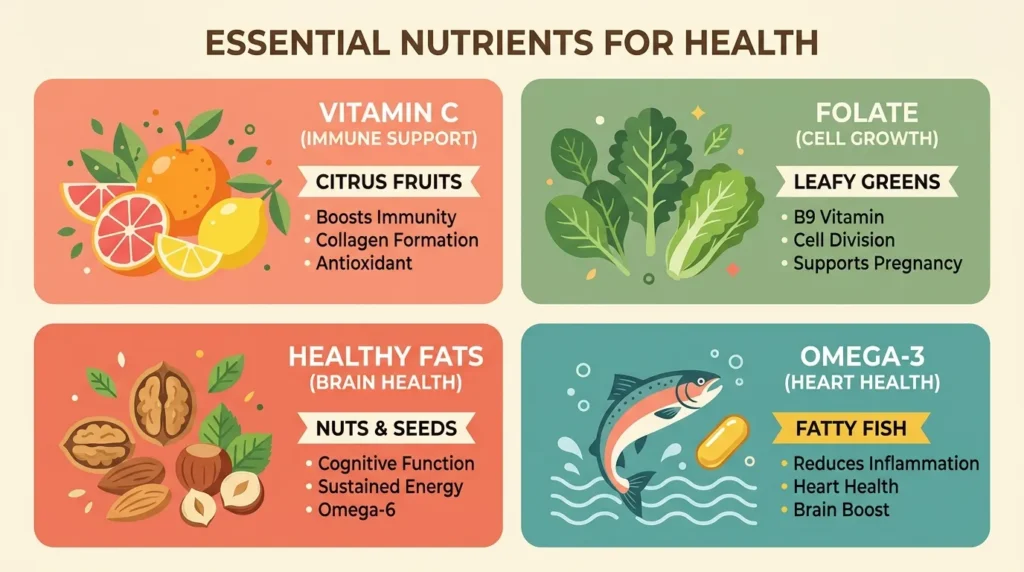
Before listing collagen-boosting foods, it helps to understand the raw materials your body actually uses to build collagen. Collagen synthesis depends on a specific combination of amino acids, vitamins, and minerals working together — miss one, and the whole process slows down, no matter how “clean” your diet otherwise looks. The most effective collagen-boosting foods provide these essential nutrients, helping your body produce collagen naturally rather than simply relying on supplements.
The Core Amino Acids
Collagen itself is made of three amino acids repeated in long chains: glycine, proline, and lysine. Your body can produce some of these on its own, but dietary protein — especially from foods that naturally contain these amino acids — gives the process a meaningful boost.
Vitamin C: The Non-Negotiable Cofactor
Vitamin C isn’t just a nice-to-have here; it’s essential. Without adequate vitamin C, your body physically cannot convert proline and lysine into the stable collagen structure skin needs. This is why so many collagen-focused food lists pair protein sources with citrus fruits, berries, and peppers.
Zinc and Copper
These trace minerals act as enzymatic cofactors in collagen cross-linking — essentially “activating” the process that gives collagen its strength and elasticity. A deficiency in either can quietly stall collagen renewal even if everything else in your diet is on point.
Antioxidants
Free radicals from sun exposure, pollution, and stress actively break down existing collagen. Antioxidant-rich foods don’t build new collagen directly, but they protect what you already have — making them an essential companion to any collagen-support strategy.
Best Collagen-Boosting Foods for Skin, Hair & Joints
Now for the part you came for. Below are the most research-backed foods for supporting collagen, grouped by category so you can build a plate that covers all your bases.
Animal-Based Sources of Collagen
These foods either contain collagen directly or provide the dense Amino Acid profile your body needs to build its own.
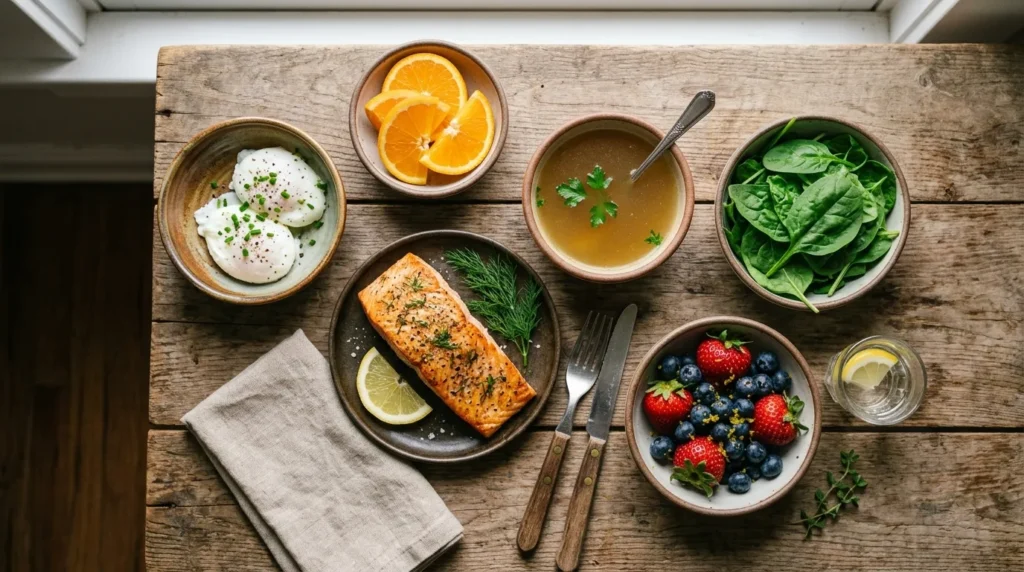
- Bone broth — simmered for hours, bone broth releases collagen, glycine, and proline directly into a form your body can use.
- Chicken skin and connective tissue — often skipped, but rich in the same amino acid structure as collagen itself.
- Salmon, sardines, and tuna — fatty fish provide both protein and omega-3s, which help reduce the inflammation that breaks down collagen.
- Eggs — the whites are particularly high in proline, one of collagen’s core building blocks.
Plant-Based Sources of Collagen
Vegetarians and vegans aren’t left out — these foods supply the vitamins and minerals collagen synthesis depends on, even without direct collagen content.
- Citrus fruits (oranges, lemons) — among the richest natural vitamin C sources available.
- Berries (strawberries, blueberries) — combine vitamin C with antioxidants that protect existing collagen.
- Kiwi — gram for gram, one of the highest vitamin C fruits, often overlooked in collagen conversations.
- Bell peppers and broccoli — deliver vitamin C alongside fiber and additional micronutrients.
- Spinach and kale — leafy greens rich in vitamin A and antioxidants that support skin repair.
- Tomatoes and garlic — tomatoes bring lycopene (a collagen-protecting antioxidant), while garlic supplies sulfur compounds involved in collagen repair.
- Pumpkin seeds and cashews — excellent plant-based sources of zinc, one of the key collagen cofactor minerals.
- Beans and legumes — provide plant protein plus copper, rounding out the mineral side of collagen production.
Including a mix from both categories daily is one of the simplest ways to build a genuinely effective skin-supportive eating routine, rather than relying on a single “superfood” to do all the work.
Comparison Table: Top Foods for Collagen at a Glance
If you only take one thing from this section, let it be this table. It condenses everything above into a quick-reference format so you can scan it while grocery shopping or meal planning, without needing to re-read the full explanations each time.
| Food | Primary Benefit | Key Nutrient | Best For |
|---|---|---|---|
| Bone broth | Direct collagen + glycine | Glycine, Proline | Joint & skin support |
| Salmon/Sardines | Reduces collagen breakdown | Omega-3, Protein | Anti-inflammatory skin diet |
| Citrus fruits | Enables collagen synthesis | Vitamin C | Vitamin C foods for collagen |
| Bell peppers | High-volume vitamin C | Vitamin C, Antioxidants | Daily collagen support |
| Eggs | Amino acid building block | Proline | Budget-friendly collagen diet |
| Pumpkin seeds | Cofactor mineral | Zinc | Plant-based collagen diet |
| Beans/legumes | Cofactor mineral | Copper | Vegan collagen-rich foods |
| Berries | Protects existing collagen | Antioxidants, Vitamin C | Anti-aging foods for skin |
Notice that no single food does everything. Bone broth is strong on amino acids but low on vitamin C; citrus is the opposite. That’s the real takeaway here — variety across the table matters more than finding one “perfect” ingredient.
Vitamin C, Zinc, and Copper: The Micronutrient Trio Behind Collagen Synthesis
It’s worth dedicating extra attention to these three micronutrients because they’re consistently the most under-consumed in everyday diets, even among people who otherwise eat well.
Vitamin C foods for collagen deserve daily attention rather than occasional inclusion, since vitamin C isn’t stored in the body — it needs regular replenishment. Aim to include at least one vitamin C source at every meal: citrus at breakfast, peppers or broccoli at lunch, berries as a snack.
Zinc is found in pumpkin seeds, cashews, chickpeas, and modest amounts in poultry. Because zinc absorption can be blocked by high-phytate foods (like unsoaked grains), pairing zinc sources with vitamin C actually improves absorption — another reason citrus and seeds work well together in a single meal.
Copper, often ignored entirely, is present in cashews, lentils, and dark leafy greens. It works alongside zinc in the enzyme lysyl oxidase, which is directly responsible for cross-linking collagen fibers into strong, elastic tissue.
Together, this trio is what separates a diet that’s “generally healthy” from one that’s specifically structured as a natural collagen-boosting foods plan.
Habits That Damage Collagen (And How to Protect Yours)
Eating the right foods only works if you’re not simultaneously undoing the progress elsewhere. Think of collagen support as a two-sided equation: what you add through nutrition, and what you stop taking away through daily habits. You can eat a near-perfect diet and still see slow progress if one or two of the following habits are working against you in the background. Several everyday habits actively accelerate collagen breakdown:
- Excess sugar and refined carbs trigger a process called glycation, where sugar molecules bind to collagen fibers and make them stiff and brittle.
- Unprotected sun exposure breaks down existing collagen through UV-induced oxidative stress — this is the single largest external cause of visible skin aging.
- Smoking restricts blood flow to the skin and directly damages collagen and elastin fibers.
- Chronic stress raises cortisol, which suppresses collagen production over time.
- Alcohol dehydrates skin and depletes vitamin A, a nutrient involved in skin cell turnover. If this is a regular part of your routine, our breakdown of alcohol and skin covers this connection in more depth.
- Hormonal imbalances, including those tied to hormonal acne, can also disrupt the skin’s repair cycle, making collagen support even more important during flare-ups.
The good news: most of these are reversible with consistent changes, and pairing a lower-inflammation lifestyle with a solid anti-inflammatory diet can meaningfully support the same collagen-boosting foods strategy outlined above.

7-Day Collagen-Boosting Meal Plan, FAQs & Final Thoughts
A Simple 7-Day Meal Plan to Naturally Boost Collagen
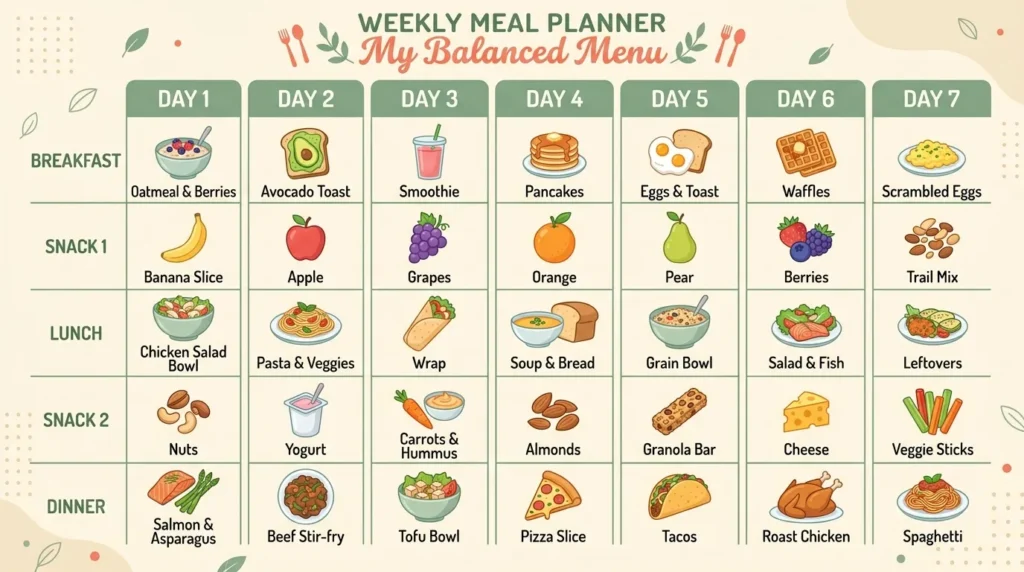
You don’t need a complicated meal-prep system to make this work. Here’s a simple structure you can rotate through:
- Day 1: Scrambled eggs + spinach, salmon salad with bell peppers, bone broth soup for dinner
- Day 2: Greek yogurt with berries, chicken and broccoli stir-fry, garlic-roasted vegetables
- Day 3: Smoothie with kiwi and spinach, lentil soup, baked sardines with tomatoes
- Day 4: Omelet with peppers, quinoa and bean bowl, grilled salmon with kale
- Day 5: Citrus fruit salad, chickpea and pumpkin seed salad, bone broth-based stew
- Day 6: Berry smoothie bowl, turkey and vegetable wrap, roasted cashew-topped greens
- Day 7: Eggs with tomatoes, mixed bean chili, baked fish with broccoli
Repeating this rotation, even loosely, builds a consistent pattern of collagen-supportive eating without requiring rigid tracking or restrictive rules.
FAQs About Collagen-Boosting Foods

What foods boost collagen naturally?
Bone broth, fatty fish, eggs, citrus fruits, berries, and leafy greens are among the most effective, since they combine amino acids with the vitamin C, zinc, and copper needed for synthesis.
Which foods are highest in collagen?
Bone broth and chicken skin contain the most direct collagen, though the amount your body actually uses depends on your overall nutrient intake, not collagen content alone.
Does vitamin C help collagen production?
Yes — vitamin C is required for your body to stabilize and cross-link collagen fibers. Without it, collagen synthesis stalls regardless of protein intake.
Can diet improve skin elasticity?
Research suggests that consistent intake of collagen-supporting nutrients over 8-12 weeks can noticeably improve skin elasticity and hydration.
How can I increase collagen naturally without supplements?
Focus on whole-food sources: fatty fish, eggs, citrus, berries, and leafy greens, combined with reduced sugar intake and daily sun protection.
Are collagen supplements better than collagen-rich foods?
Neither replaces the other. Supplements offer convenience and concentrated dosing, while whole foods provide a broader nutrient package that supports collagen synthesis more holistically. Many people find the most practical approach is using food as the daily foundation and treating supplements as an optional add-on rather than the main strategy, since whole foods also bring fiber, healthy fats, and other micronutrients that isolated supplements don’t replicate.
What fruits help produce collagen?
Citrus fruits, kiwi, strawberries, and blueberries are top choices thanks to their high vitamin C and antioxidant content.
Which vegetables are best for collagen?
Bell peppers, broccoli, spinach, kale, and tomatoes each contribute either vitamin C, antioxidants, or both.
What destroys collagen in the skin?
Sun exposure, high sugar intake, smoking, alcohol, and chronic stress are the primary collagen-damaging factors.
How long does it take for collagen-boosting foods to work?
Most people notice subtle improvements in skin texture and hydration after 4-8 weeks of consistent intake, with more visible elasticity changes around the 3-month mark.
Final Thoughts
Building visibly firmer, more resilient skin doesn’t require an expensive routine overhaul — it starts with consistently choosing collagen-boosting foods that give your body what it actually needs to repair and renew itself. Pair this approach with sun protection, lower sugar intake, and a supportive skincare routine, and you’re addressing skin aging from both the inside and outside — which is where real, lasting results come from. Start small: pick two or three foods from the list above you don’t currently eat often, add them to your next grocery run, and build from there rather than trying to overhaul your entire diet overnight.
