
Best Fall Skincare Routine 2026: The Ultimate Guide to Healthy, Glowing Autumn Skin
If your skin has started feeling tighter, flakier, or duller the moment the temperature dropped, you’re not imagining it. A fall Skincare routine isn’t just a trend — it’s a genuine necessity. As humidity falls and cold wind picks up, your skin barrier loses moisture faster than it can replace it, leaving dryness, sensitivity, and dull texture in its wake.
In this guide, you’ll get a complete, dermatologist-informed autumn skincare routine you can start today — including the exact products, ingredients, and layering order that actually work for changing weather. Whether you have dry, oily, combination, or sensitive skin, this is your one-stop fall skincare guide for healthy, glowing skin all season long.
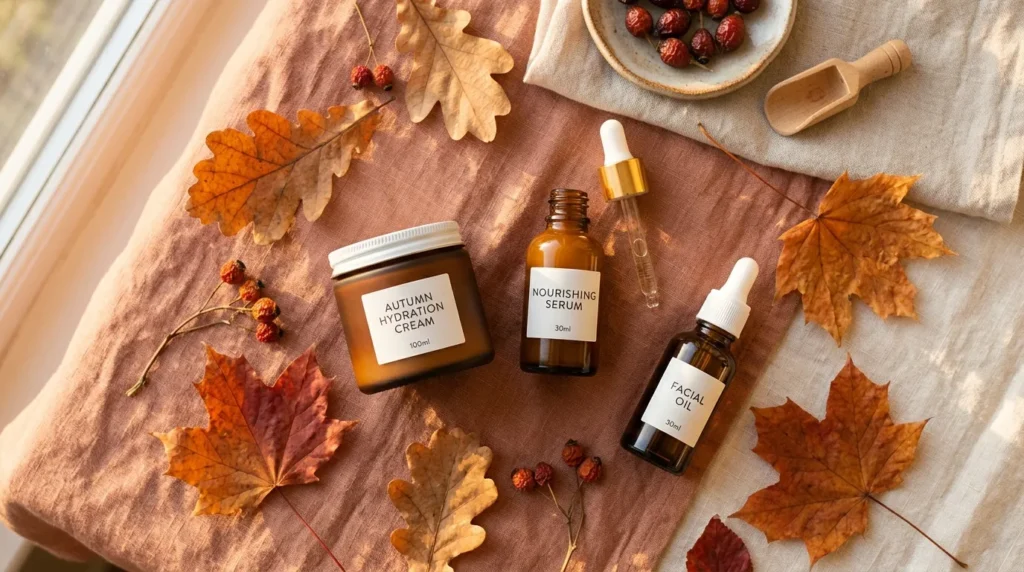
For a broader look at how skincare needs shift across the whole year, our Seasonal Glow Hub breaks down routines for every season — this article focuses specifically on the autumn transition.
Why Your Skin Needs a Seasonal Skincare Switch in Fall
Most people don’t think to change their skincare when the season changes — but your skin genuinely behaves differently in October than it does in July. Here’s why a seasonal skincare routine matters so much this time of year.
How Cold, Dry Air Affects Your Skin Barrier
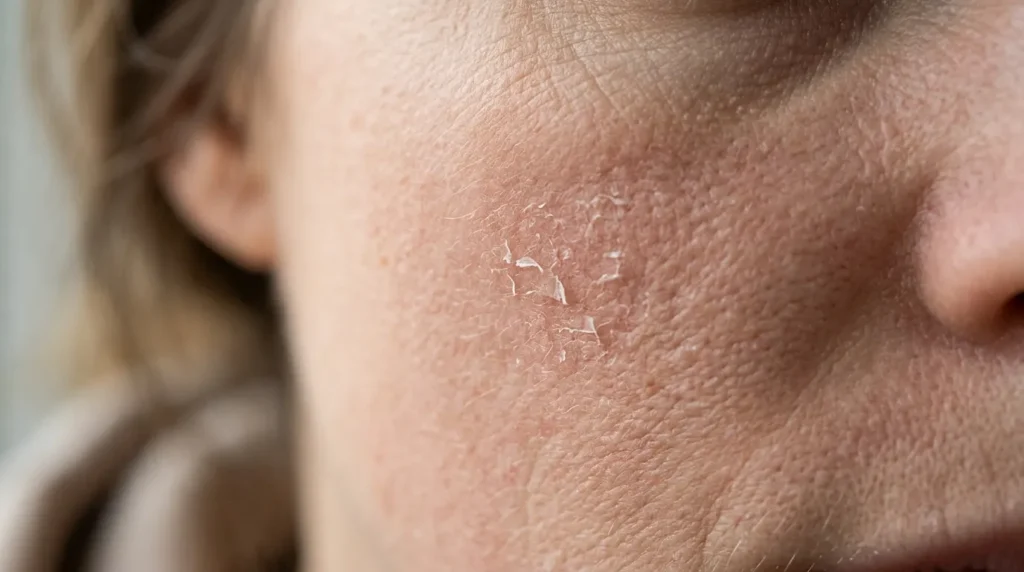
As outdoor humidity drops, the air pulls moisture out of your skin instead of helping it retain that moisture. This directly weakens your skin barrier — the outermost layer responsible for locking hydration in and keeping irritants out. A compromised barrier shows up as flaking, redness, tightness, and increased sensitivity to products that felt fine in summer.
Indoor heating makes this worse. Central heating and space heaters strip humidity from indoor air too, so your skin gets dehydrated at home and outside. This is why so many people search for “how to prevent dry skin during autumn” — the honest answer is that you need to actively replace the moisture your environment is removing.
Dry skin is one of the most common concerns during the fall season as cooler temperatures and lower humidity reduce your skin’s natural moisture. This can lead to tightness, flakiness, rough patches, and irritation. To keep your skin soft and healthy, use a gentle hydrating cleanser, apply a rich moisturizer with ingredients like ceramides and hyaluronic acid, and avoid over-exfoliating. Consistent hydration is the key to maintaining a smooth, glowing complexion throughout autumn.
Summer Habits That Stop Working in Fall
Lightweight summer gels, mattifying products, and high-percentage exfoliating acids that worked fine against summer oil production can suddenly feel harsh once the weather turns. This is the core idea behind how to transition your skin from summer to fall: it’s less about buying entirely new products and more about adjusting texture, frequency, and hydration levels.
A few signs it’s time to switch:
- Your usual moisturizer no longer feels like “enough”
- You notice flaky skin around the nose, cheeks, or jawline
- Makeup clings to dry patches instead of sitting smoothly
- Skin feels tight within an hour of washing your face
If you’re seeing two or more of these, it’s time to update your fall beauty routine.
The Essential Fall Skincare Routine, Step by Step
Here is a complete morning and night fall skincare routine that covers cleansing, treatment, hydration, and protection — the four pillars of a solid skincare routine for autumn.
Morning Fall Skincare Routine
- Gentle cleanser – Swap foaming, stripping cleansers for a hydrating cleanser that cleans without disturbing your skin barrier.
- Antioxidant serum – A vitamin C serum helps brighten skin and defend against environmental stressors, which matters even in cooler months.
- Hydrating layer – Apply a hyaluronic acid serum on damp skin to pull in moisture before sealing it.
- Cream moisturizer – Replace summer’s lightweight lotion with a richer cream moisturizer containing ceramides for barrier support.
- Sunscreen SPF – UV rays don’t disappear in autumn. A broad-spectrum SPF 30 or higher is non-negotiable, even on cloudy days.
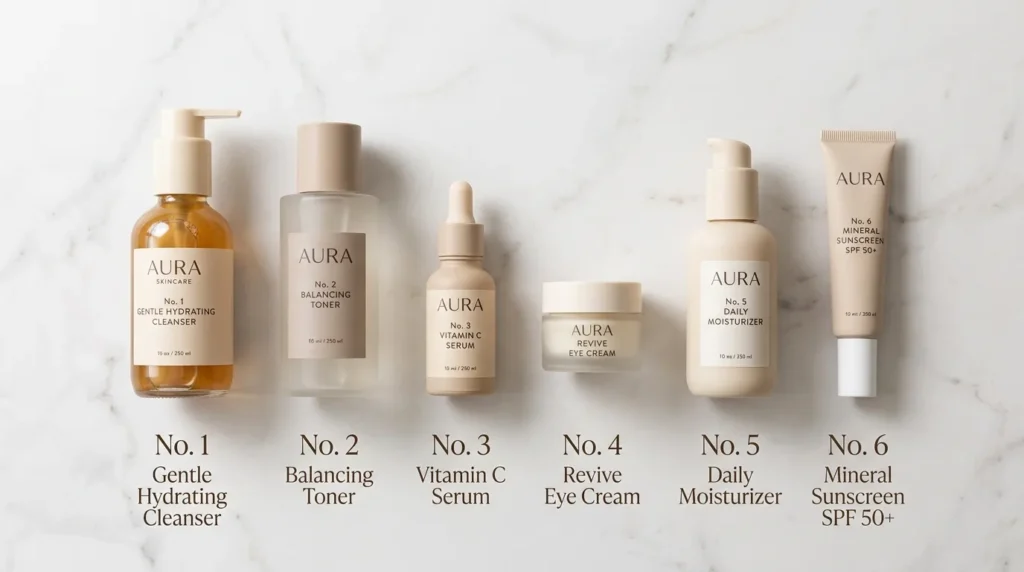
Night Fall Skincare Routine
- Double cleanse (if wearing makeup or SPF) followed by a gentle cleanser.
- Treatment step – This is where retinol or niacinamide typically goes, depending on your skin’s tolerance and goals.
- Facial oil – A few drops of facial oil locks in hydration and softens rough texture overnight.
- Rich moisturizer or overnight mask – Heavier occlusives help prevent water loss while you sleep.
- Lip care – Don’t skip this. Lips lose moisture just as fast as facial skin does in cold, dry conditions.
Skincare Layering Rules for Fall
Getting skincare layering right matters more in fall because too many actives on already-stressed skin can backfire. A simple rule: apply products from thinnest to thickest texture, and always let each layer absorb for 60–90 seconds before adding the next. Humectants (like glycerin and hyaluronic acid) go first on damp skin, followed by emollients, then occlusives to seal everything in.
Best Ingredients for Fall Skincare (and What to Dial Back)
Choosing the right actives is the difference between a routine that fixes autumn dryness and one that makes irritation worse. Here are the skincare ingredients to use in fall, and a few worth easing off.

Ingredients to Increase This Season
- Ceramides – Rebuild and reinforce the skin barrier, directly addressing barrier repair concerns common in fall.
- Hyaluronic Acid – A humectant that draws water into the skin for an instant hydration boost.
- Glycerin – Another reliable humectant, often layered under richer creams for moisture retention.
- Squalane – A lightweight emollient that softens skin without feeling greasy.
- Peptides – Support overall skin nourishment and elasticity as skin adjusts to the season.
- Niacinamide – Calms redness and supports barrier protection, ideal for reactive or sensitive skin.
Ingredients to Use More Carefully
- Retinol – Still valuable, but consider reducing frequency or pairing with more moisturizer if you notice increased dehydrated skin.
- Lactic Acid / Salicylic Acid – Great for exfoliation, but over-exfoliating in fall can worsen barrier damage. Two to three times a week is usually plenty.
- High-percentage Vitamin C – Still beneficial as an antioxidant, just watch for sensitivity if your barrier is already compromised.
A good general guide for how often should you exfoliate in fall: most skin types do best with gentle exfoliation two to three times weekly, dropping to once a week if flaking or sensitivity appears.
Fall Skincare Routine by Skin Type
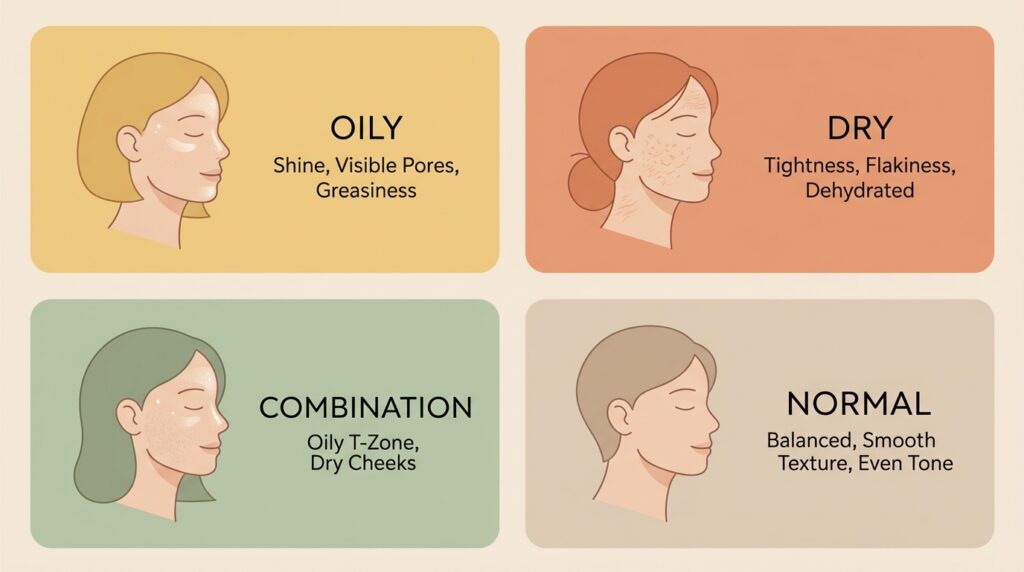
Not every autumn skin care routine should look the same. Here’s how to adjust based on your specific skin type.
Fall Skincare Routine for Dry Skin
Focus heavily on rich moisturizer, facial oils, and overnight masks. Look for products layering humectants (hyaluronic acid, glycerin) under occlusives (shea butter, squalane, ceramide-rich creams) to lock hydration in overnight.
Fall Skincare Routine for Oily Skin
Oily skin still needs hydration in fall — going without moisturizer often backfires by triggering more oil production. Choose a facial moisturizer with a gel-cream texture, and don’t fully drop lightweight hydrators just because temperatures dropped.
Fall Skincare Routine for Combination Skin
Combination skin benefits from multi-masking: richer moisturizer on drier zones (cheeks) and a lighter gel formula on the T-zone. This targeted approach avoids over-hydrating oily areas while still treating dry patches properly.
Fall Skincare Routine for Sensitive Skin
Prioritize gentle cleanser formulas, fragrance-free products, and barrier-supporting ingredients like ceramides and niacinamide. Introduce new actives one at a time so you can identify what triggers irritation.
Fall Skincare Product Comparison Table
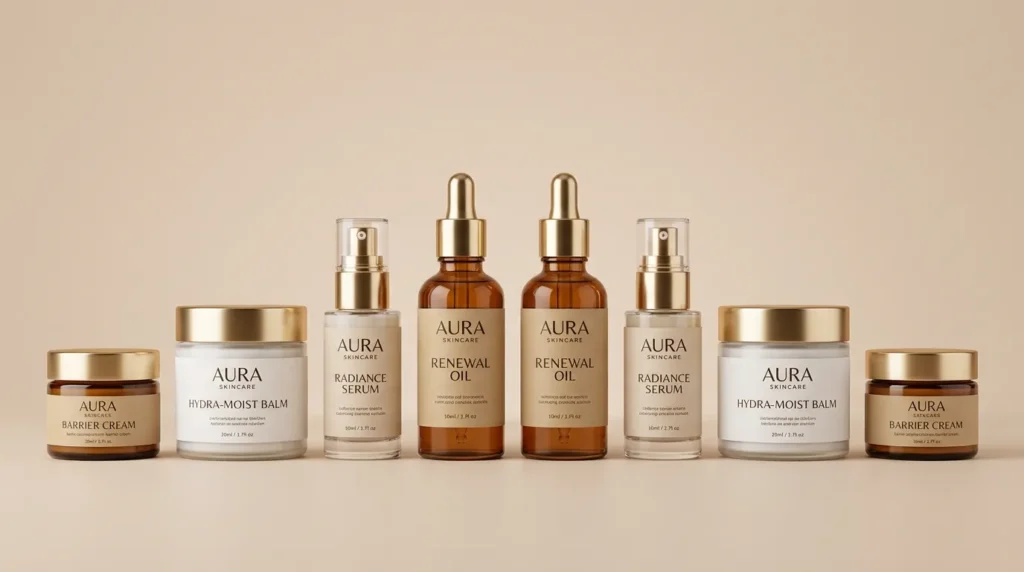
| Product Type | Best For | Key Ingredients | Texture | Use Time |
|---|---|---|---|---|
| Hydrating Cleanser | All skin types, especially dry/sensitive | Glycerin, ceramides | Cream/lotion | AM & PM |
| Cream Moisturizer | Dry, dehydrated, sensitive skin | Ceramides, hyaluronic acid, squalane | Rich cream | AM & PM |
| Gel-Cream Moisturizer | Oily, combination skin | Niacinamide, glycerin | Lightweight gel-cream | AM & PM |
| Facial Oil | Dry, flaky, mature skin | Squalane, plant oils | Lightweight oil | PM |
| Overnight Mask | Very dry or barrier-damaged skin | Ceramides, peptides, humectants | Thick occlusive | PM, 2–3x/week |
| Vitamin C Serum | Dullness, uneven tone | Vitamin C, antioxidants | Lightweight serum | AM |
| Retinol Treatment | Fine lines, texture, acne-prone skin | Retinol | Serum/cream | PM, 2–4x/week |
| SPF 30+ Sunscreen | All skin types, year-round | Mineral or chemical filters | Lotion/fluid | AM |
FAQs: What People Also Ask About Fall Skincare
How do I switch my skincare routine for fall?
Gradually replace lightweight summer products with richer, ceramide- and hyaluronic-acid-based formulas, reduce exfoliation frequency, and reintroduce a facial oil or overnight mask if your skin feels dehydrated.
What is the best fall skincare routine for dry skin?
Layer a hydrating cleanser, hyaluronic acid serum, ceramide moisturizer, and facial oil at night, adding an overnight mask two to three times a week for extra moisture retention.
What are the best products for fall skin hydration?
Look for humectants like hyaluronic acid and glycerin paired with occlusives like squalane and ceramides — this combination locks in hydration far better than either type alone.
How often should I exfoliate in fall?
Most skin types do well with two to three sessions per week using a gentle chemical exfoliant like lactic acid, scaling back if you notice flaking or sensitivity.
Do I still need sunscreen in fall?
Yes. UV rays remain present year-round regardless of temperature, so a broad-spectrum SPF 30 or higher should stay in your morning routine every day.
What skincare mistakes should I avoid in fall?
The most common mistakes are skipping moisturizer on oily skin, over-exfoliating a weakened barrier, and forgetting SPF once the weather cools down.
Conclusion: Building a Fall Skincare Routine That Actually Works
A great fall Skincare routine doesn’t require an entirely new shelf of products — it requires the right adjustments: richer hydration, barrier-supporting ingredients like ceramides and niacinamide, gentler exfoliation, and consistent SPF use. Whether you’re managing dry autumn skin, oily breakouts, or sensitive reactivity, small, seasonal changes make a noticeable difference in how your skin looks and feels.
For year-round guidance beyond autumn, explore our full Seasonal Glow Hub pillar guide, and check out more PreppyGlow skincare breakdowns for product-specific recommendations tailored to each season.
