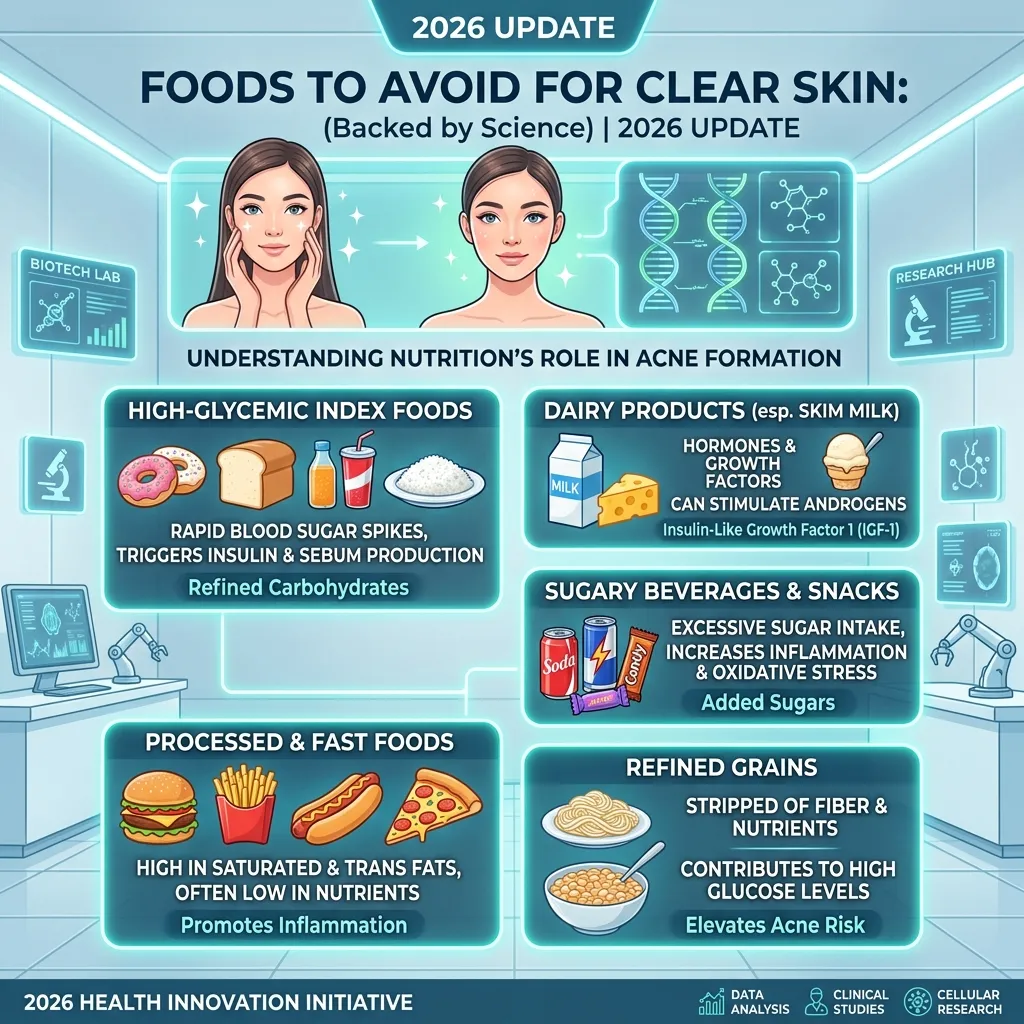
Foods to Avoid for Clear Skin: (Backed by Science) 2026
If you’ve tried every serum on the shelf and your skin still won’t cooperate, the problem might not be sitting in your bathroom cabinet — it might be sitting on your plate. Understanding the foods to avoid for clear skin is one of the most overlooked pieces of the acne puzzle, and it’s also one of the most researched. This guide breaks down exactly which foods trigger breakouts, why they do it, and what a realistic, sustainable eating pattern looks like if your goal is a calmer, clearer complexion. No fad detoxes, no fear-mongering — just an honest, evidence-informed breakdown of the foods to avoid for clear skin, written for people who want real answers instead of recycled listicles.
By the end of this article, you’ll know which specific foods to avoid for clear skin, how dairy and sugar actually influence your hormones and sebum production, and how to build daily meals — what we like to call your own Glow Nutrition Kitchen — that supports your skin instead of working against it.
Why Your Diet May Be Sabotaging Your Clear Skin Goals
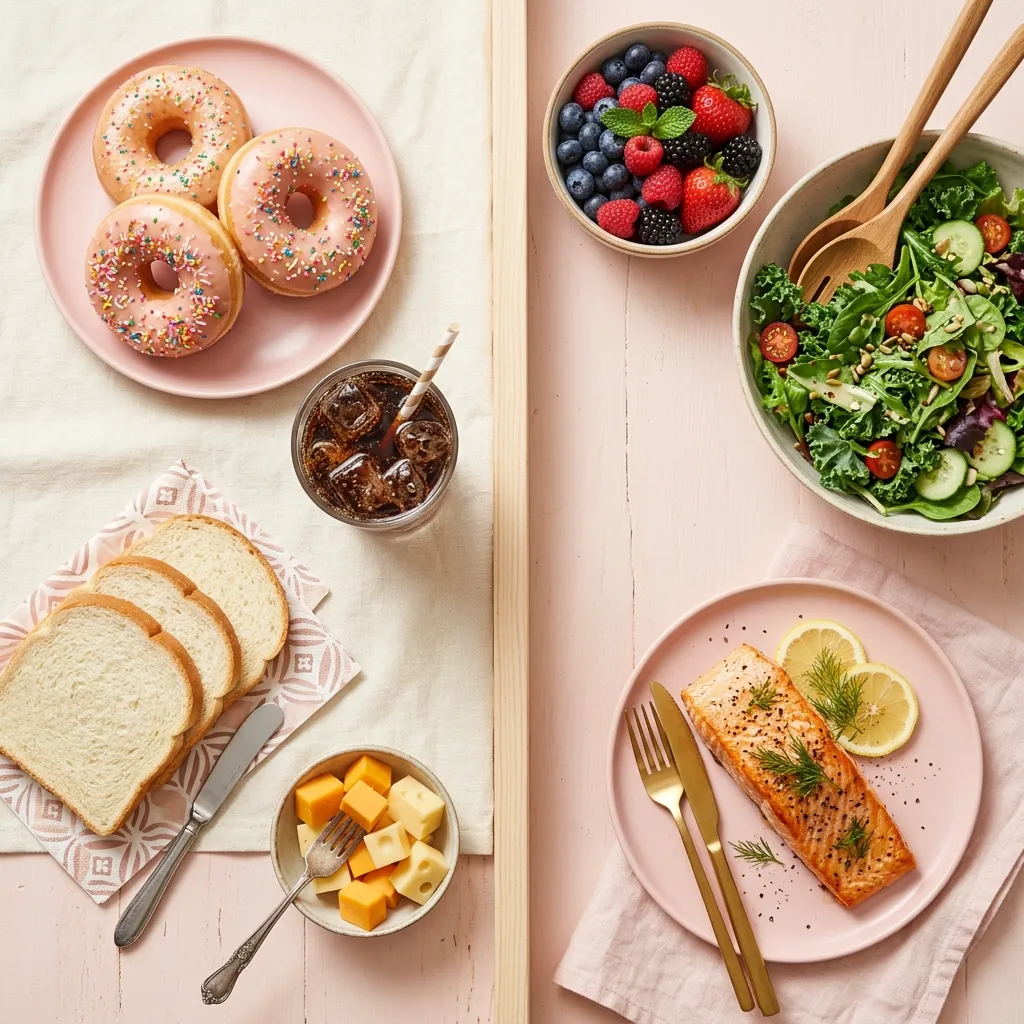
Acne vulgaris, the clinical term for the breakouts most people just call “acne,” is driven by four overlapping factors: excess sebum production, clogged pores, bacterial overgrowth, and inflammation. Diet doesn’t cause all of these directly, but it absolutely influences the internal environment that makes breakouts more or less likely. This is why identifying the foods to avoid for clear skin matters as much as any topical routine.
Here’s the mechanism in plain terms. Certain foods spike Blood Sugar quickly. That spike triggers a surge of insulin, and insulin triggers a related hormone called IGF-1 (Insulin-like Growth Factor 1). Both insulin and IGF-1 signal your skin’s oil glands to produce more sebum and encourage skin cells to multiply faster than normal — a combination that clogs pores and feeds acne-causing bacteria. At the same time, some foods promote low-grade systemic inflammation, which shows up on the skin as redness, swelling, and slower healing.
None of this means one slice of pizza will ruin your skin overnight. It means that a consistent pattern — day after day, week after week — of high glycemic index (GI) and high glycemic load (GL) foods, combined with certain dairy products, can nudge your hormonal and inflammatory baseline in a direction that makes acne-prone skin more reactive. That’s the real, unglamorous science behind why so many dermatologists now ask about diet during a skin consultation, and it’s the foundation for everything else in this article about foods to avoid for clear skin.
It’s also worth saying clearly: genetics, skincare habits, stress, sleep, and hormones all play a role too. Diet is one lever among several, not a magic switch. But it’s a lever you control every single day, which is exactly why the foods to avoid for clear skin deserve a closer look.
There’s also a hormonal feedback loop worth understanding. Chronically elevated insulin and IGF-1 don’t just affect sebum production directly — they also increase the activity of androgens, a group of hormones that further stimulate oil glands. This is one reason hormonal acne, which tends to show up along the jawline and chin, is often especially sensitive to blood sugar swings.
People managing conditions like PCOS, where insulin sensitivity is already altered, frequently report that identifying their personal foods to avoid for clear skin makes a noticeably bigger difference than it does for someone without a hormonal component to their acne.
Stress compounds this picture. Cortisol, the primary stress hormone, also influences blood sugar regulation and can amplify the same inflammatory pathways triggered by high-glycemic eating. That’s part of why “stress breakouts” are a real, documented phenomenon rather than just a saying — a stressful week combined with a diet heavy in the foods to avoid for clear skin tends to produce a more noticeable flare than either factor alone.
Does Dairy Cause Acne? What Science Really Says
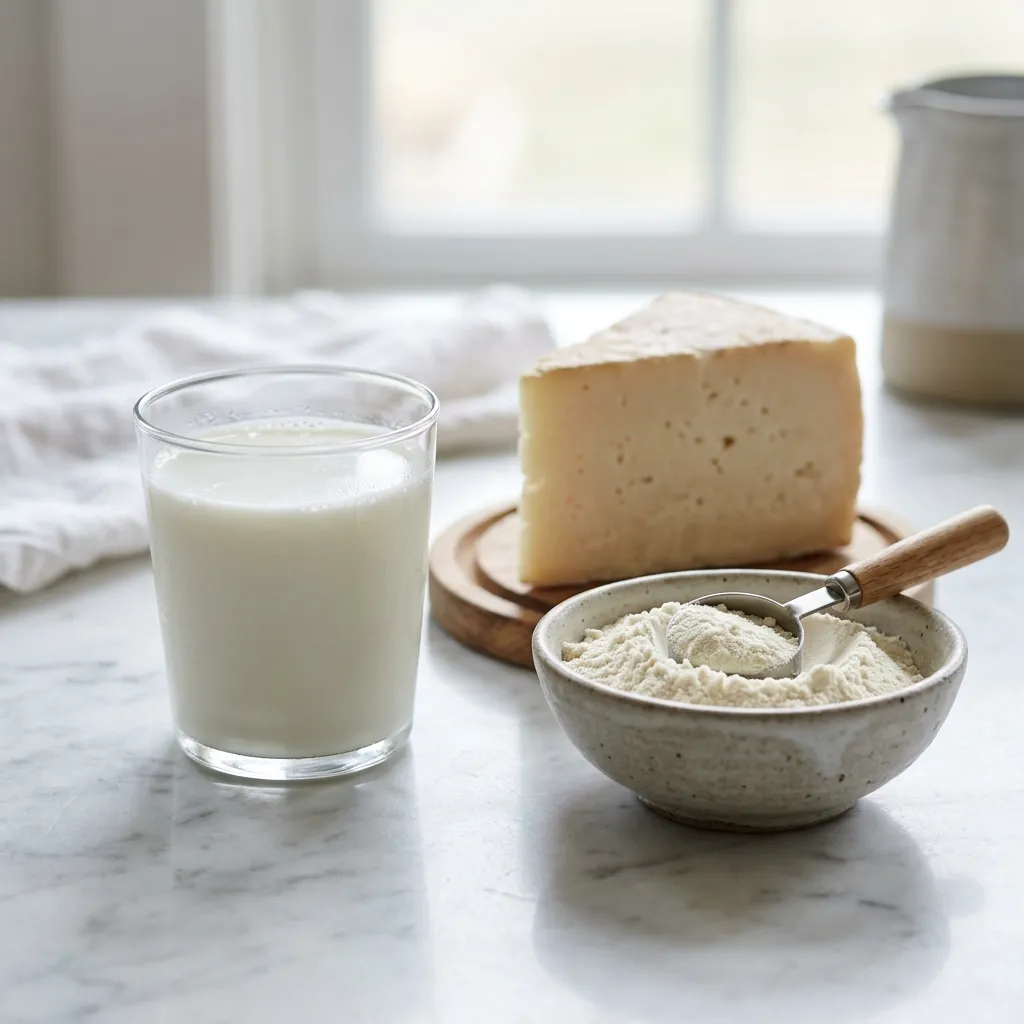
“Does dairy cause acne?” is one of the most searched questions in skincare nutrition, and the honest answer is: for some people, yes — and the reasons are more specific than most articles let on.
Dairy milk, particularly skim milk, contains naturally occurring hormones and growth factors, including compounds that influence IGF-1 levels in the body. Several observational studies have found a correlation between higher milk consumption — especially skim milk — and increased acne prevalence, particularly in teenagers and young adults. Whey protein, a common ingredient in protein powders and shakes, has also been linked to breakouts in some individuals because of its strong insulin-spiking effect, even though it’s technically low in sugar.
Not all dairy behaves the same way, though:
- Skim milk appears to have a stronger association with acne than whole milk, possibly because of how it’s processed and the hormone-to-fat ratio.
- Yogurt and cheese have a less consistent link in research, though some individuals still report sensitivity.
- Whey protein isolate/concentrate used in shakes and bars can spike insulin sharply, making it worth moderating if you’re breakout-prone.
If you suspect dairy is one of your personal foods to avoid for clear skin, the most reliable way to find out isn’t a blood test — it’s a structured elimination. Remove dairy products for four to six weeks (a full skin cell turnover cycle), track your breakouts in a simple notes app, then reintroduce it and watch for a reaction. This kind of self-experiment, paired with professional guidance from a dermatologist or registered dietitian, gives far more useful information than any single study, because skin sensitivity to dairy is genuinely individual.
Adult acne deserves a specific mention here. While teenage acne is often written off as purely hormonal, a growing number of adults — particularly women in their late twenties through forties — report breakouts that track closely with dairy intake, especially skim milk and whey-based protein shakes consumed daily for fitness purposes. If you’ve added a daily protein shake to your routine and noticed new jawline breakouts a few weeks later, dairy-derived whey is a reasonable first suspect among the foods to avoid for clear skin, and switching to a plant-based protein source for a few weeks is a low-risk way to test the theory.
It’s also worth noting what the research does not show. Dairy is not universally acne-causing, and completely eliminating it isn’t necessary for most people. The goal isn’t fear of an entire food group — it’s recognizing that, for a meaningful subset of people, dairy behaves as one of the more reliable foods to avoid for clear skin, and testing your own response is far more useful than following a blanket rule you read online.
Sugar and Acne: The Blood Sugar–Breakout Connection
The sugar and acne connection is arguably the most consistent finding in diet-and-skin research, more so than dairy. High-glycemic foods — meaning foods that rapidly raise blood glucose — are repeatedly associated with increased acne severity across multiple population studies, including research comparing traditional, low-glycemic diets in non-Western populations to typical Western diets.
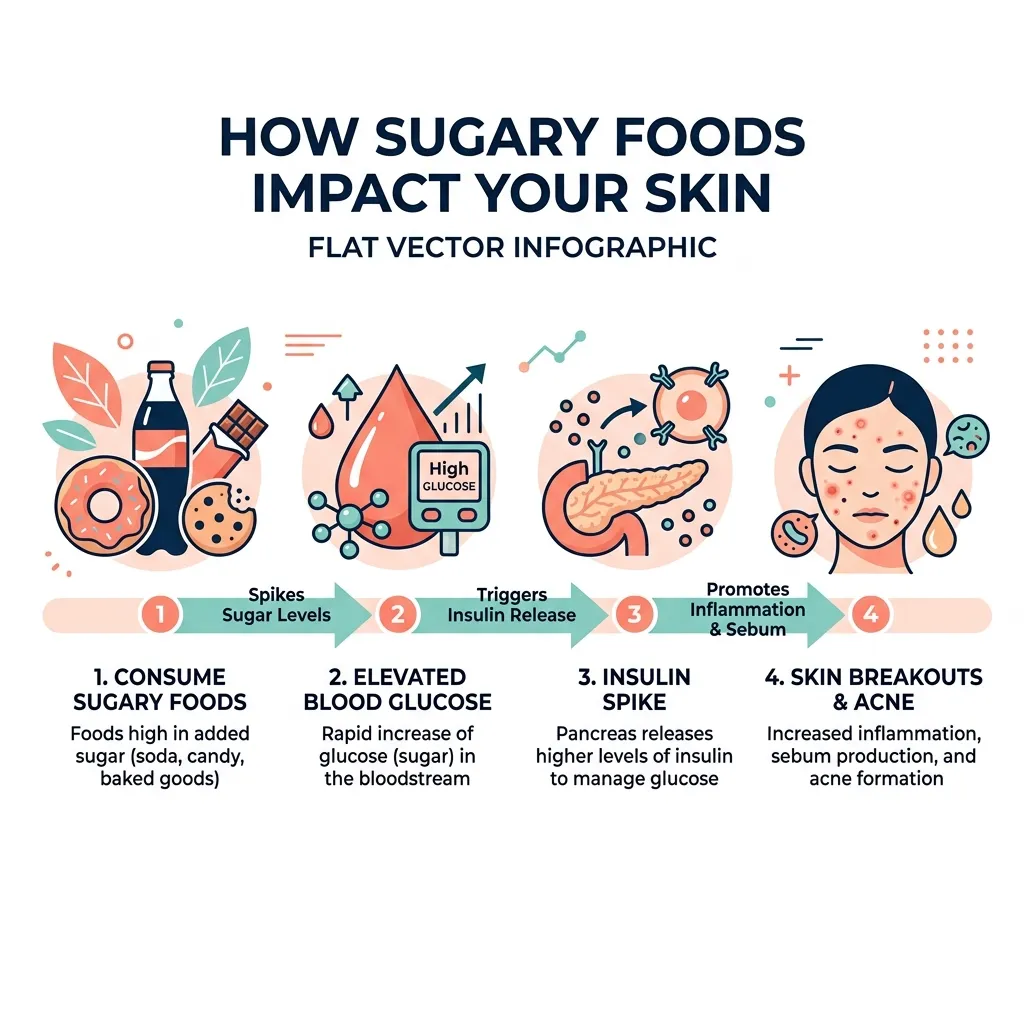
Here’s why refined sugar and other high glycemic foods land near the top of almost every list of foods to avoid for clear skin:
- Rapid glucose spike — refined carbohydrates and added sugars are digested quickly, flooding the bloodstream with glucose.
- Insulin surge — the pancreas releases a large amount of insulin to manage that glucose spike.
- IGF-1 activation — elevated insulin triggers IGF-1, which increases androgen activity and sebum production.
- Increased inflammation — chronic blood sugar spikes are linked to systemic inflammation, which worsens redness and slows skin healing.
- Keratinocyte overgrowth — skin cells lining the pores multiply faster, increasing the odds of clogged follicles.
This is precisely why processed foods and skin health are so closely tied together in nutrition research: it’s rarely just “sugar,” but the entire category of refined, high-GL processed foods — white bread, sugary cereals, pastries, candy, and soft drinks — that collectively raises your glycemic load across the day. Choosing lower glycemic index alternatives (like whole oats instead of sugary cereal, or fruit instead of candy) is one of the simplest, most evidence-backed swaps for anyone building an acne-friendly diet.
To put glycemic index in concrete terms: white bread sits around 75 on the GI scale, sugary breakfast cereal often lands even higher, and a can of regular soda spikes blood sugar almost as fast as pure glucose.
Compare that to steel-cut oats (around 55), lentils (around 32), or most non-starchy vegetables (well under 15), and the gap explains why swapping just two or three high-GI staples per day for lower-GI alternatives can meaningfully lower your overall glycemic load without requiring a total diet overhaul. This single change — more than almost any other — tends to move the needle for people specifically trying to eliminate the sugar-related foods to avoid for clear skin from their routine.
Glycemic load (GL) adds an important second layer to this conversation, because it accounts for portion size as well as speed of digestion. Watermelon, for instance, has a high glycemic index but a fairly low glycemic load in a normal serving size, since it’s mostly water. This is why blanket lists of “good” and “bad” foods based on GI alone can be misleading — looking at both GI and portion-adjusted GL gives a more accurate picture of which foods to avoid for clear skin in practice, rather than in theory.
The Worst Foods for Acne-Prone Skin (Comparison Table)
Not every “bad” food is bad for the same reason. Some worsen acne through blood sugar spikes, others through inflammation, and others through both. Below is a practical breakdown of the worst foods for acne-prone skin, why they matter, and lower-glycemic swaps you can make immediately.

| Food Category | Why It’s a Problem | Mechanism | Better Swap |
|---|---|---|---|
| Soft drinks & sugary beverages | Very high glycemic load in liquid form | Rapid insulin + IGF-1 spike | Sparkling water with fruit, unsweetened iced tea |
| White bread & refined grains | Stripped of fiber, digested fast | Blood sugar spikes, inflammation | Whole grain or sourdough bread |
| French fries & fried fast food | High in refined oils and starch | Inflammation + insulin response | Baked or air-fried potatoes, sweet potato |
| Potato chips & packaged snacks | High glycemic index, processed fats | Oxidative stress, inflammation | Roasted chickpeas, nuts, air-popped popcorn |
| Skim milk & whey shakes | Hormone/growth-factor content | IGF-1 and insulin activation | Plant-based milk, whole-food protein sources |
| Candy & refined sugar | Pure fast-digesting sugar | Sharp insulin and IGF-1 spikes | Dark chocolate (70%+), fresh fruit |
| Ultra-processed fast food meals | Combines refined carbs, sugar, and inflammatory fats | Compounded inflammatory and glycemic effect | Home-cooked meals with whole ingredients |
This table is meant as a quick-reference version of the foods to avoid for clear skin — not a rulebook demanding perfection. Reducing frequency and portion size of these categories, rather than eliminating them entirely overnight, tends to be far more sustainable and just as effective for most people.
Building Your Glow Nutrition Kitchen: What to Eat Instead

Knowing the foods to avoid for clear skin is only half the equation — the other half is knowing what to build your meals around instead. This is the idea behind what we call the Glow Nutrition Kitchen: a simple, repeatable way of stocking your kitchen and planning meals so that skin-supportive choices become the default, not a constant effort of willpower.
A Glow Nutrition Kitchen approach focuses on a few consistent pillars:
- Low-to-moderate glycemic carbohydrates — oats, quinoa, legumes, and whole fruit instead of refined sugar and white flour.
- Anti-inflammatory fats — omega-3 fatty acids from fatty fish, walnuts, chia, and flaxseed, which help counterbalance the inflammatory load from occasional processed foods.
- Micronutrients that support skin repair — zinc (found in pumpkin seeds, lentils, and shellfish), vitamin A (sweet potato, carrots, leafy greens), and vitamin C (citrus, bell peppers, berries), all of which play documented roles in skin barrier function and healing.
- Gut-supportive foods — fiber-rich vegetables, fermented foods like plain yogurt or kimchi, and adequate hydration, since gut health and skin inflammation are increasingly linked in emerging research.
- Consistent hydration — water supports the skin barrier and helps regulate oil production indirectly by supporting overall metabolic function.
The goal of a Glow Nutrition Kitchen isn’t restriction; it’s designing your environment so the easy choice is also the skin-supportive choice. Batch-cooking a base of whole grains, having pre-washed vegetables ready, and keeping healthier swaps in place of the worst offenders makes avoiding the classic foods to avoid for clear skin feel automatic rather than exhausting. Over weeks and months, this kind of nutrient-rich, balanced approach tends to outperform any short-term “clean eating” phase, because it’s something you can actually maintain.
If you’re building your own version of a Glow Nutrition Kitchen at home, think in terms of your grocery cart as a whole — swap one or two categories at a time, track how your skin responds over a few weeks, and adjust based on your own results rather than someone else’s rulebook.
FAQs, a PreppyGlow-Style Tip, and Final Takeaways
People Also Ask
Does chocolate really cause acne?
The chocolate and acne myth is only partly a myth. Pure cocoa itself has limited direct evidence linking it to breakouts, but most commercial chocolate is loaded with refined sugar and milk solids — the actual likely triggers. Dark chocolate with high cocoa content and minimal added sugar is a much safer choice than milk chocolate bars.
Are oily foods actually bad for acne?
Oily and greasy foods don’t directly clog pores the way topical oil can, but many oily foods (fried fast food, chips) are also high glycemic and inflammatory, which indirectly worsens acne through the insulin and inflammation pathways described earlier.
What is the best diet for acne-prone skin?
Most research points toward a lower glycemic, anti-inflammatory eating pattern rich in vegetables, whole grains, lean protein, and omega-3 fatty acids, with reduced intake of refined sugar and, for some individuals, dairy.
How long does it take to see skin improvement after changing your diet?
Because skin cells take roughly 4–6 weeks to fully turn over, most people need at least a month of consistent dietary changes before judging results.
Can hormonal acne be improved by diet alone?
Diet can meaningfully reduce the severity and frequency of hormonal acne breakouts, but it usually works best alongside medical guidance, appropriate skincare, and, when needed, treatment from a dermatologist.
A PreppyGlow-Style Meal Prep Tip
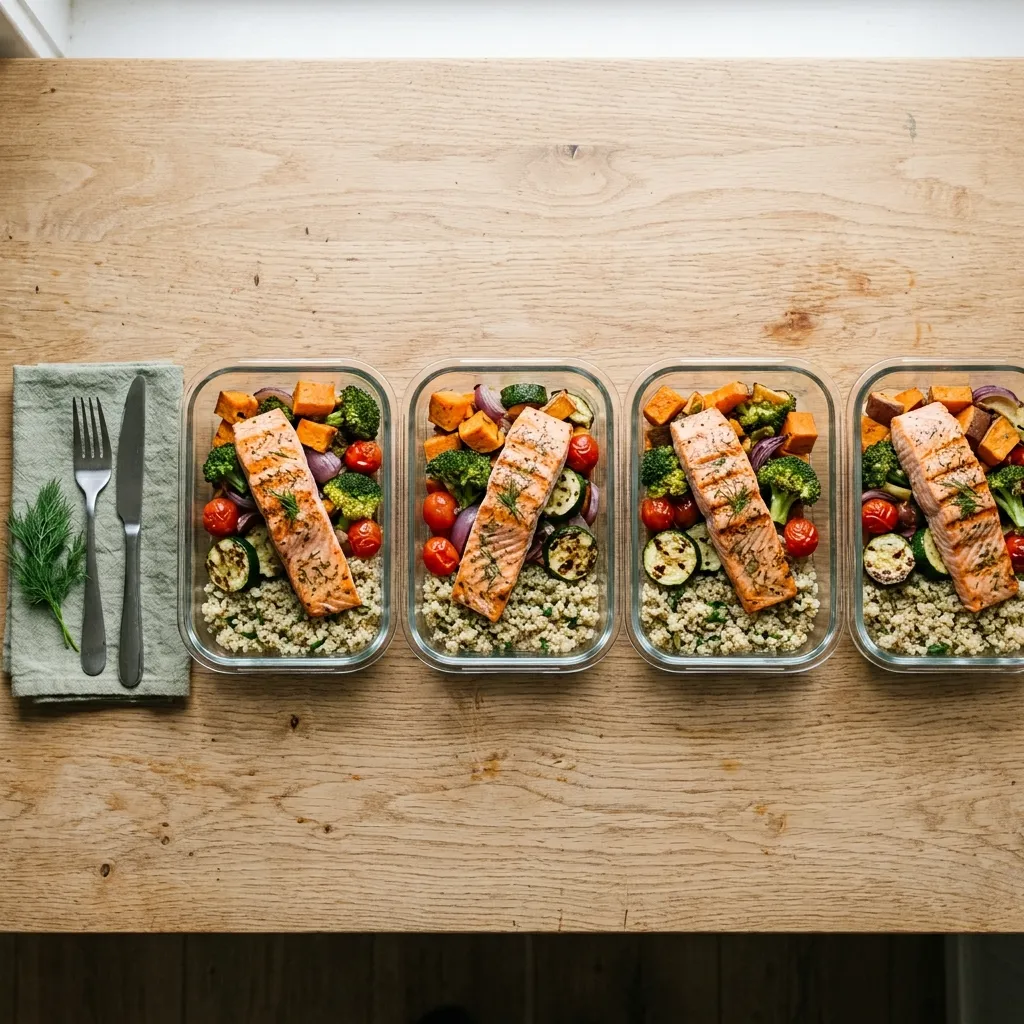
If you like the idea of a Glow Nutrition Kitchen but don’t want to overhaul your week, borrow a page from the PreppyGlow approach to meal prepping: pick one Sunday afternoon, cook a big batch of a low-glycemic grain like quinoa or steel-cut oats, roast a tray of skin-friendly vegetables tossed in olive oil, and portion out a protein source like grilled salmon or lentils into containers for the week. Having these ready-to-go components on hand removes the daily decision fatigue that usually leads people back toward the very foods to avoid for clear skin they’re trying to cut down on — no willpower required, just a slightly more organized fridge.
Final Takeaways
Clear skin is rarely about a single food or a single villain ingredient. The most consistent, evidence-backed foods to avoid for clear skin are high-glycemic refined carbohydrates, added sugars, certain dairy products (especially skim milk and whey), and heavily processed fast food — largely because of their combined effect on insulin, IGF-1, and inflammation.
Building a Glow Nutrition Kitchen around whole grains, healthy fats, lean protein, and skin-supportive micronutrients gives you a sustainable framework rather than another short-lived diet trend. Track your own patterns, be patient through at least one full skin cycle, and treat diet as one supportive tool alongside good skincare and, when needed, professional care. treat this list of foods to avoid for clear skin as a starting framework to personalize — not a rigid rulebook to follow forever.
