
From Dull to Radiant: The PreppyGlow Transformation Blueprint 2026
If you’ve been staring in the mirror wondering why your skin looks tired, patchy, or just… flat, you’re not alone. Most people searching for a skin transformation guide aren’t looking for another 10-step routine to abandon in two weeks. They want to understand why their skin looks the way it does, and what actually changes it — for good.
This guide is built differently. Instead of listing products, it walks you through the logic of skin change: what your skin barrier needs, which ingredients earn their spot in your routine, how your daily habits either fuel or sabotage your results, and how to measure progress without guessing. By the end, you’ll have a realistic, personalized path from where your skin is now to where you want it to be — a true journey from dull to radiant.
What a Real Skin Transformation Actually Looks Like
Why Most Glow-Up Routines Fail

Most skincare disappointments come from one root problem: mismatched expectations. Skin cell turnover — the process by which your skin renews itself — takes roughly 28 days in your 20s and slows to 45–60 days as you age. That means a genuine skin improvement plan can’t be judged on day 5 or even day 20. When people quit early, it’s usually because they expected drugstore-commercial results in a week.
The path from dull to radiant also isn’t linear. You’ll likely see a “purge” phase with actives like retinol before you see clearer skin. Understanding this upfront is what separates people who stick with a plan long enough to see results from people who bounce between five different routines a year.
Setting a Baseline: The Starting Point Every Plan Needs
Before touching a single product, take stock of three things:
- Skin type — oily, dry, combination, or sensitive, and whether that changes seasonally.
- Current concerns — acne, hyperpigmentation, dullness, fine lines, or a compromised skin barrier.
- Current routine — what you’re already using, so you don’t duplicate actives or stack irritation.
Take a plain, well-lit photo today. This becomes your reference point for any before and after skincare results you track later, so you can actually see your progress from dull to radiant instead of guessing — memory alone tends to undersell gradual progress.
Building Your Skin Transformation Foundation
The Skin Barrier: Everything Starts Here

Nearly every skin concern — sensitivity, breakouts, dullness, premature aging — traces back to a weakened skin barrier, and repairing it is often the real turning point from dull to radiant skin. This outer layer of your skin locks in moisture and blocks out irritants and pollution. When it’s compromised, actives that should help (like retinol or vitamin C) can instead cause redness and flaking.
Signs your barrier needs repair before you add anything else:
- Persistent tightness or stinging after cleansing
- Redness that doesn’t fully calm down
- Products that used to work suddenly causing irritation
If any of these sound familiar, your first move isn’t a new serum — it’s a skin reset routine: simplify to a gentle cleanser, a barrier-repairing moisturizer with ceramides, and sunscreen. Give this two to four weeks before reintroducing actives.
Hydration vs. Moisture: The Distinction Most Guides Skip
Hydration and moisture aren’t interchangeable, and confusing them is a common reason routines stall. Hydration refers to water content in the skin, delivered by humectants like hyaluronic acid. Moisture refers to sealing that water in, done by emollients and occlusives like ceramides and squalane. A dehydrated-but-oily complexion needs different support than a genuinely dry one, which is why “just moisturize more” isn’t always the fix on the road from dull to radiant skin.
The PreppyGlow Morning-to-Night Routine Framework
A skincare routine morning and night doesn’t need to be complicated — it needs to be sequenced correctly and used consistently. Below is a beginner-friendly structure that scales as your skin moves from dull to radiant.
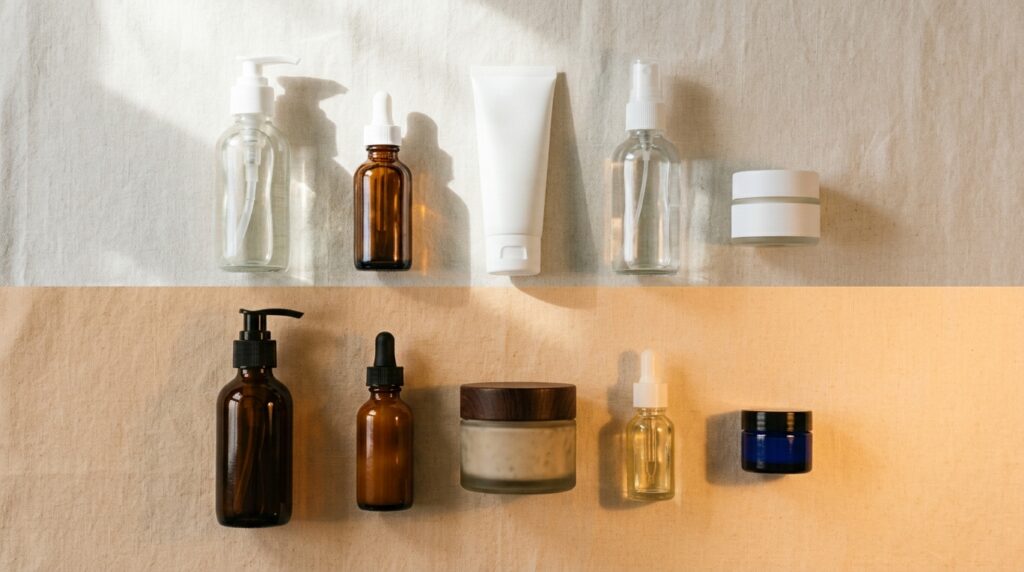
Morning Routine: Protect and Prep
- Gentle cleanser — a quick rinse or light cleanse to remove overnight buildup without stripping the skin.
- Antioxidant serum — typically a vitamin C serum, which helps defend against environmental stressors and supports a more even tone over time.
- Moisturizer — matched to your skin type, sealing in hydration before sun exposure.
- Broad-spectrum sunscreen (SPF 30 or higher) — non-negotiable. UV exposure is the single largest driver of visible skin aging and undoes progress from every other step if skipped.
Evening Routine: Repair and Renew
- Double cleanse (if wearing makeup or sunscreen) — an oil-based cleanser followed by a gentle water-based one.
- Exfoliation (2–3x per week, not daily) — chemical exfoliants like salicylic acid (for oily/acne-prone skin) or glycolic acid (for texture and dullness) work more evenly than physical scrubs.
- Treatment serum — this is where niacinamide or retinol enters the routine, depending on your goals.
- Night moisturizer — often slightly richer than your day formula, supporting overnight skin renewal.
Skin Cycling: A Smarter Way to Introduce Actives
Skin cycling — rotating exfoliation and retinol nights with recovery nights — has become one of the more sustainable skincare routine checklist frameworks because it reduces irritation while still delivering results. A simple 4-night cycle looks like:
- Night 1: Exfoliation (chemical exfoliant)
- Night 2: Retinol
- Nights 3–4: Recovery (moisturizer and ceramides only, no actives)
Repeat. This structure lets your barrier recover between actives instead of compounding irritation, which is often the actual reason “retinol didn’t work” for someone in the past — and it’s one of the most reliable ways to move from dull to radiant without setbacks.
The Ingredients That Actually Drive Change
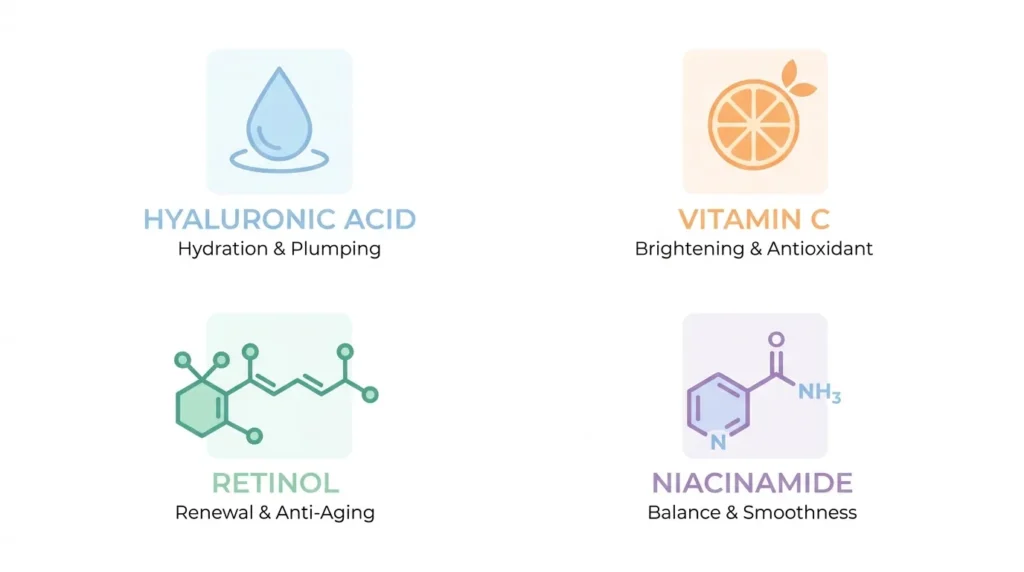
Not every ingredient on a shelf deserves space in your routine. Here’s how the core actives compare, so you can prioritize based on your specific concern rather than buying everything at once as you work from dull to radiant.
| Ingredient | Best For | How It Works | Typical Time to See Results |
|---|---|---|---|
| Vitamin C | Dullness, uneven tone | Antioxidant protection, supports collagen production | 4–8 weeks |
| Retinol | Fine lines, texture, acne | Speeds cell turnover, boosts collagen | 8–12 weeks |
| Niacinamide | Oiliness, redness, barrier support | Regulates sebum, strengthens barrier | 4–6 weeks |
| Hyaluronic Acid | Dehydration, plumpness | Draws water into the skin | Immediate–2 weeks |
| Salicylic Acid | Acne, clogged pores | Exfoliates inside the pore | 4–8 weeks |
| Glycolic Acid | Dullness, texture | Surface exfoliation, cell turnover | 3–6 weeks |
| Ceramides | Barrier repair, dryness | Rebuilds the skin’s protective lipid layer | 2–4 weeks |
A common mistake in a beginner skincare guide is layering several of these at once. Retinol and exfoliating acids, for example, can over-irritate skin when combined without a break — which is exactly what the skin cycling method above is designed to prevent.
Introducing Actives Without Overwhelming Your Skin
Add one active at a time, wait two weeks, and watch for irritation before introducing the next. This patience is what separates a sustainable long-term skincare plan from a routine that causes more problems than it solves.
Lifestyle Factors That Make or Break Your Glow Up

Topical products can only do so much if the habits underneath them work against your skin — going from dull to radiant takes more than products alone.
Sleep Quality and Skin Renewal
Most of your skin’s repair processes, including collagen production, ramp up during deep sleep. Consistently short or poor-quality sleep shows up as dullness, under-eye puffiness, and slower healing — no serum fully compensates for this.
Diet’s Role in Visible Skin Health
A balanced diet rich in antioxidants, healthy fats, and adequate protein supports the same processes your skincare routine targets. High-sugar diets have been linked to accelerated collagen breakdown, which is one reason two people using identical products can see different results.
Stress Management and Breakouts
Stress management isn’t a soft add-on — elevated cortisol is directly linked to increased oil production and inflammatory breakouts. If your routine is solid but flare-ups persist around stressful periods, this is often the missing piece.
Why Consistency Outperforms Intensity
The single biggest predictor of a successful healthy skin transformation isn’t the price of your products — it’s whether you show up with them daily. A simple, consistently used routine will outperform an elaborate one used sporadically almost every time.
Your 90-Day Skin Reset Timeline

Use this skincare journey timeline to set realistic expectations and track your real change from dull to radiant rather than guessing.
Days 1–14: Foundation Phase
Simplify your routine to cleanser, moisturizer, and sunscreen. Address any barrier damage. Take your baseline photo.
Days 15–45: Active Introduction Phase
Introduce one active ingredient (start with niacinamide or a gentle exfoliant). Begin skin cycling if tolerated. Expect possible mild purging if adding retinol.
Days 46–90: Optimization Phase
Layer in a second active if your skin has adjusted well. Take a follow-up photo at day 60 and day 90 under the same lighting as your baseline. This is typically when the shift from dull to radiant becomes clearest — smoother texture, more even tone, and reduced breakout frequency.
Frequently Asked Questions
How long does it take to see results from a new skincare routine?
Most people notice hydration and texture improvements within 2–4 weeks, while deeper changes like reduced hyperpigmentation or fine lines typically take 8–12 weeks of consistent use
What is the correct order to apply skincare products?
Generally, apply products from thinnest to thickest consistency: cleanser, toner (if used), serums, spot treatments, moisturizer, and finally sunscreen in the morning.
Can I use vitamin C and retinol together?
They can be used in the same routine but are best applied at different times — vitamin C in the morning and retinol at night — to avoid reducing each other’s effectiveness and to limit irritation.
Do I really need sunscreen every day, even indoors?
Yes. UVA rays penetrate windows and contribute to collagen breakdown and hyperpigmentation even without direct sun exposure, so daily broad-spectrum sunscreen is considered essential by dermatologists.
Why is my skin purging after starting a new product?
Purging typically happens with actives that speed up cell turnover, like retinol or exfoliating acids, as they bring existing congestion to the surface faster. This usually resolves within 4–6 weeks if the product is tolerated well otherwise.
How do I know if a product is actually working?
Track progress with consistent, well-lit photos every 2–4 weeks rather than relying on daily impressions, since day-to-day skin appearance is affected by sleep, diet, and hormones.
Conclusion: Your Next Step Toward Radiant Skin
A genuine skin transformation isn’t about finding one miracle product — it’s about sequencing the right ingredients, respecting your skin barrier, and pairing your routine with habits that support renewal from the inside out. Start with the foundation phase, be patient through the adjustment period, and let your 90-day timeline guide your expectations. Going from dull to radiant is less about intensity and more about consistency applied in the right order.
