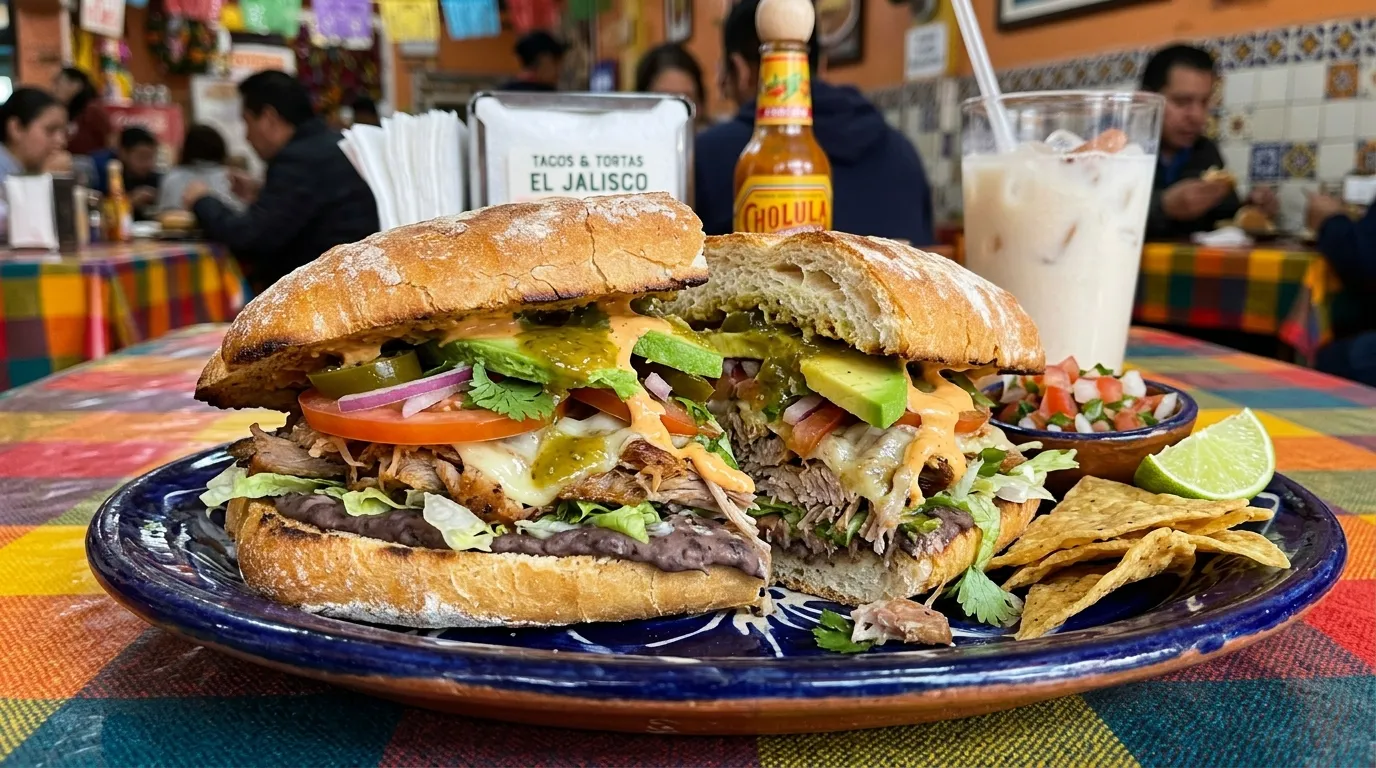
What Are Tortas? Mexican Sandwich Recipe, Types & Ingredients
If you have ever bitten into a crusty bolillo roll stuffed with slow-cooked carnitas, creamy avocado, refried beans, and tangy salsa, you already know why tortas have a devoted following around the world. Tortas are one of Mexico’s most beloved street foods hearty, layered with bold flavors, and deeply rooted in Mexican culinary tradition. Whether you want to understand what tortas are, follow a step-by-step tortas recipe, explore every popular type, or look up the slang meaning of “torta,” this complete guide covers everything from bread choice to cultural context.
What Is a Torta?
A torta is a Mexican sandwich. At its most basic, it is a crusty bread roll typically a bolillo or telera sliced open and filled with layers of meat, refried beans, avocado, cheese, salsa, lettuce, tomato, onion, and crema. The result is a generously packed handheld meal that is hearty, bold, and endlessly customizable.
What sets a torta apart from an ordinary sandwich is the combination of specific Mexican ingredients and the technique of assembling them. The bread is usually toasted on a comal (flat griddle) until the cut surfaces are golden and slightly crispy, while the crust stays firm enough to hold everything together. Fillings are generous smoky grilled meats, creamy beans, rich cheese, and punchy salsa all layered in a single roll.
Tortas are eaten for breakfast, lunch, and dinner across Mexico. You’ll find them at street stalls called torterías, in family-run restaurants, at school canteens, and in food markets throughout Mexico City, Guadalajara, Puebla, and beyond. They are fast, affordable, deeply filling, and satisfying which is exactly why they have become a cornerstone of Mexican street food culture and a growing favorite internationally.
Are Tortas Mexican Food?
Yes tortas are proudly and firmly Mexican food. While the word “torta” exists in other Spanish-speaking countries (in Spain it can refer to a flat cake; in parts of South America it means a round cake or pie), in Mexico the word almost exclusively means a sandwich made with a specific crusty bread roll.
Mexican tortas trace their roots to the 19th century, when French-style bread-baking techniques were introduced to Mexico. Local bakers adapted those techniques to create the bolillo and telera rolls that still define the torta today. Over generations, cooks across different Mexican states crafted their own signature versions, giving rise to regional classics like the torta ahogada from Guadalajara, Jalisco, and the cemita poblana from Puebla.
Today, the Mexican torta sandwich rivals the taco as Mexico’s most consumed street food. It has also grown enormously popular in the United States, particularly in cities with large Mexican-American communities, where torterías operate alongside taco trucks and Mexican restaurants. In short: if someone mentions tortas in a food context, they are almost certainly talking about the Mexican sandwich.
What Is in a Mexican Torta?

A great torta is built in careful layers, and each layer plays a role. Here is a full breakdown of every component that makes up authentic Mexican tortas.
1. The Bread
The bread is the foundation. Getting it right is non-negotiable. The three most common torta bread types in Mexico are:
- Bolillo: A short torpedo-shaped roll with a hard, golden crust and a soft, slightly chewy interior. The most widely used bread for tortas across Mexico.
- Telera: A flatter, round roll with two lengthwise indentations on top. The crust is softer than a bolillo, making it slightly easier to bite. Teleras are especially common in Mexico City.
- Birote: A tangier, denser roll found mainly in Guadalajara, Jalisco. The birote is the traditional choice for the torta ahogada. Its firmer texture holds up when soaked in spicy tomato salsa.
2. The Spread
The inside faces of the bread are spread with something creamy before the other fillings go on:
- Refried beans: Creamy, savory, and protein-rich; the classic base spread for authentic Mexican tortas.
- Avocado or guacamole: Sliced avocado or mashed guacamole adds richness and balances spicier fillings.
- Crema or mayonnaise: Mexican crema (slightly tangy sour cream) or mayo is often spread on one side for extra creaminess.
- Chipotle sauce: Smoky and spicy; a popular spread on many modern tortas.
3. The Protein
The meat is the heart of any torta. The best meat for tortas depends on the style you’re going for:
- Carne asada: Grilled, marinated beef. Bold, charred, and deeply savory.
- Carnitas: Slow-cooked, tender pulled pork. Rich and slightly crispy on the edges.
- Milanesa: A thin, breaded and fried cutlet of beef or chicken. The torta de milanesa is one of Mexico’s most popular torta varieties.
- Birria: Slow-braised, spiced beef or goat. Increasingly popular worldwide.
- Chorizo: Spiced Mexican sausage; great for breakfast tortas.
- Pollo (chicken): Grilled, shredded, or fried chicken is a lighter but equally delicious option.
4. The Cheese
Two cheeses dominate the torta world:
- Queso fresco: A crumbly, mild fresh cheese that adds a gentle salty flavor without overwhelming the other ingredients.
- Oaxaca cheese: A stringy, meltable cheese similar to mozzarella. It’s ideal for warm tortas where you want that pull-apart texture.
- Manchego: A semi-firm cheese with a buttery flavor; used in some regional variations.
5. The Vegetables
- Romaine or iceberg lettuce: Adds crunch and freshness.
- Tomato: Sliced ripe tomato for juiciness and acidity.
- White onion: Thinly sliced for sharpness.
- Jalapeños: Pickled or fresh; essential for heat lovers.
6. The Salsa and Sauce
- Salsa roja: A cooked red tomato-chile salsa; bold and smoky.
- Salsa verde: A tangy green tomatillo salsa; bright and slightly acidic.
- Chipotle sauce: Smoky, spicy, and slightly sweet.
- Guacamole: Mashed avocado with lime, onion, and cilantro.
Pro Tip: Balance is everything in a torta. Aim for creamy (beans/avocado), crunchy (lettuce/bread crust), savory (meat/cheese), and spicy (salsa/jalapeños) in every bite.
Bolillo vs Telera: The Two Main Types of Torta Bread
When people ask “what are the two types of tortas,” they are usually referring to the two most common torta bread types: the bolillo and the telera. While both are used interchangeably in many Mexican kitchens, they each have distinct characteristics that affect the final sandwich.
| Feature | Bolillo | Telera |
| Shape | Torpedo / oblong | Flat, round, with 2 grooves |
| Crust | Hard, crackly crust | Softer, thinner crust |
| Texture | Chewy interior | Lighter, airier crumb |
| Best for | Carne asada, birria | Milanesa, chicken tortas |
| Common in | Across all of Mexico | Mexico City especially |
The birote, found in Jalisco, is a third bread type worth knowing. It is denser and tangier than both the bolillo and telera deliberately formulated to hold its structure even when submerged in sauce, making it perfect for the torta ahogada.

How to Make Tortas at Home
This easy tortas recipe walks you through building a classic Mexican torta sandwich step by step. Once you understand the foundation, you can swap fillings to create any variation you like.
Ingredients for Mexican Tortas

(Makes 2 tortas)
- 2 bolillo or telera rolls
- ½ cup refried beans (warmed)
- 1 large avocado, sliced or ¼ cup guacamole
- 200 g (7 oz) cooked meat: carne asada, carnitas, milanesa, birria, chorizo, or grilled chicken
- 60 g (2 oz) queso fresco or Oaxaca cheese, sliced or crumbled
- 4–6 leaves romaine or iceberg lettuce
- 1 medium tomato, thinly sliced
- ¼ white onion, thinly sliced
- Pickled or fresh jalapeño slices, to taste
- 2–3 tablespoons salsa roja or salsa verde
- 2 tablespoons Mexican crema or mayonnaise
- Salt and pepper to tast
Step-by-Step Instructions
- Slice the bread. Cut the bolillo or telera roll in half lengthwise. Do not cut all the way through leave a small hinge at the back so the sandwich holds together when you lift it.
- Toast the inside. Place the bread cut-side down on a dry comal or skillet over medium-high heat. Press lightly and toast for 2–3 minutes until the inside surfaces are golden and slightly crispy. This step is essential it prevents the bread from becoming soggy and adds an extra layer of flavor.
- Spread the beans. While the bread is still warm, spread a generous layer of warmed refried beans on the bottom half. The heat of the bread and beans will slightly soften the layer below, helping everything stick together.
- Add guacamole or avocado. Spread guacamole or lay avocado slices on top of the beans. Season lightly with salt.
- Layer the meat. Add your warmed protein carne asada, carnitas, milanesa, or whichever filling you’ve chosen. Make sure the meat is hot; it helps bring the whole sandwich together.
- Add the cheese. Lay slices of Oaxaca cheese or crumble queso fresco over the meat. If you’re using Oaxaca cheese and want it to melt, briefly place the open torta under a broiler for 1–2 minutes.
- Add the vegetables. Layer lettuce, tomato slices, and onion rings on top of the cheese. These go on last so they stay crisp and fresh.
- Add salsa and jalapeños. Spoon salsa roja or salsa verde over the filling. Add jalapeño slices to taste.
- Spread crema on the top half. Spread Mexican crema or mayo on the cut surface of the top half of the bread.
- Press and serve. Close the torta firmly and press down slightly to help everything meld together. Cut in half if desired and serve immediately while warm.
Tips for Making Better Tortas
- Always toast the bread. Skipping this step leads to a soggy torta. The toasted surface creates a barrier between the wet fillings and the bread crumb.
- Choose crusty but soft bread. You want a roll that holds its shape under the weight of the fillings but is still easy to bite through. A fresh-baked bolillo from a Mexican bakery is ideal.
- Don’t overload wet ingredients. Too much salsa or crema can make the bread fall apart. Use sauces thoughtfully.
- Balance every element. Every great torta has something creamy (beans/avocado), something spicy (jalapeños/salsa), something crunchy (lettuce/bread crust), and something savory (meat/cheese). Don’t skip any of these layers.
- Warm the meat before assembling. Cold meat kills the experience. Always heat your protein and add it hot.
- Use fresh bread. A torta made with a day-old roll is never as good. Look for a Mexican bakery nearby that bakes bolillos fresh daily.
Best Tortas Recipe Variations
Once you know the base recipe, you can spin off into dozens of delicious Mexican tortas. Here are the most popular and beginner-friendly variations.
Carne Asada Torta
The carne asada torta is one of the boldest variations. Thinly sliced grilled beef marinated in citrus, garlic, and chiles is piled onto a toasted bolillo with refried beans, guacamole, tomato, and salsa. The charred, smoky beef paired with creamy avocado is a combination that works every time. This is a go-to at Mexican street stalls and one of the first tortas most people try.
Chicken Torta
A chicken torta is one of the most versatile options. You can use grilled chicken breast, shredded poached chicken, or crispy fried chicken. Season the chicken with cumin, garlic, and lime, then layer it with queso fresco, pickled jalapeños, lettuce, and crema. It’s a lighter alternative to beef while still being incredibly satisfying.
Carnitas Torta
Carnitas slow-cooked, crispy-edged pulled pork is one of the best meats for tortas. The rich, fatty pork pairs beautifully with tangy salsa verde, sliced onion, and fresh avocado. Because carnitas is already full of flavour, you don’t need many additional toppings. Keep it simple: beans, avocado, salsa verde, and onion.
Birria Torta
The birria torta has exploded in popularity globally. Slow-braised beef or goat is stewed in a complex chile broth (consommé) until fall-apart tender. Pile the birria inside a toasted bolillo with Oaxaca cheese, diced onion, and cilantro, and optionally serve with a cup of consommé on the side for dipping. Rich, spiced, and deeply satisfying.
Torta de Milanesa
The torta de milanesa is a Mexican classic. A thin beef or chicken cutlet is breaded in seasoned breadcrumbs, fried until golden and crispy, and loaded into a telera or bolillo with refried beans, avocado, tomato, and jalapeños. The contrast between the crunchy breading and the creamy fillings makes this one of the most textually satisfying tortas available.
Vegetarian Torta
A vegetarian torta is just as filling and flavourful as a meat-based one. Use roasted poblano peppers, sautéed mushrooms, black beans, or egg as your protein. Load up with refried beans, avocado, queso fresco, lettuce, tomato, pickled jalapeños, and salsa verde. You won’t miss the meat.
Breakfast Torta
The breakfast torta is a morning tradition across Mexico. Scrambled eggs with chorizo (or just eggs with beans) are stuffed into a toasted bolillo with avocado, salsa roja, and crema. Quick, filling, and far more interesting than toast. Some versions include sliced ham or refried black beans.
Popular Types of Mexican Tortas

Mexico’s different regions have developed their own iconic torta styles. Here are the most celebrated and well-known types.
Torta Ahogada

Torta ahogada literally means “drowned sandwich.” It originates from Guadalajara, Jalisco, and is made with a birote roll stuffed with carnitas or pork and refried beans. The entire sandwich is then submerged (drowned) in a spicy tomato-arbol chile sauce. You can request it “media” (half-drowned) or “ahogada” (fully drowned). The dense birote bread is specifically designed to absorb the sauce without disintegrating. It is one of Mexico’s most iconic regional foods.
Torta Cubana
Despite the name, the torta cubana is 100% Mexican in origin. It is essentially the kitchen-sink torta: a single enormous bolillo filled with multiple types of meat at once usually milanesa, ham, hot dog, chorizo, and sometimes a fried egg along with cheese, jalapeños, avocado, tomato, and crema. If you’re very hungry, this is the one to order.
Torta de Milanesa
As described in the recipe variations section, the torta de milanesa is one of Mexico’s most commonly ordered tortas. A breaded and fried cutlet (beef or chicken) is the centrepiece, surrounded by the classic torta toppings. It’s found at every tortería across the country.
Torta de Tamal
Also called a guajolota, the torta de tamal is Mexico City’s most famous breakfast sandwich. A warm, freshly steamed tamal is slid inside a bolillo roll and eaten as-is. The combination of corn masa-wrapped filling inside a crusty bread roll may sound like carb-on-carb madness, but it is beloved by millions of chilangos (Mexico City residents) every single morning.
Pambazo
The pambazo is technically its own category but is often grouped with tortas. A soft pambazo roll is dipped in a red guajillo chile sauce and then pan-fried until the outside is slightly crispy and deeply coloured. It’s filled with a mixture of spiced chorizo and potatoes, then topped with crema, queso fresco, shredded lettuce, and salsa verde. The result is smoky, slightly crunchy, and packed with flavour.
Cemita Poblana
The cemita poblana comes from Puebla and is distinguished by its sesame-seed bun, which is softer and richer than a bolillo. The classic filling is a breaded milanesa cutlet with avocado, Oaxaca cheese, chipotles in adobo, and the herb papalo (a pungent local herb with a flavour somewhere between cilantro and arugula). The chipotles give it a smoky heat that sets it apart from any other Mexican sandwich.
Pepito
The pepito is a Mexico City favourite. It’s a smaller, more compact torta typically made with grilled beef, avocado, and chipotle sauce in a bolillo or telera. It’s the everyday lunch option for office workers and students quick, satisfying, and easy to eat on the go.
Cochinita Pibil Torta
Cochinita pibil is a Yucatan classic slow-roasted pork marinated in achiote paste and bitter orange, cooked underground or in an oven wrapped in banana leaves until it’s fall-apart tender and bright orange-red. Stuffed into a torta with pickled red onions and habanero salsa, it is one of the most complex and aromatic fillings you can put in a Mexican sandwich.
Tortas vs Tacos vs Cemitas vs Pambazos
People often confuse these Mexican staples. Here’s a clear side-by-side comparison.
| Food | Main Base | Common Fillings | Key Difference |
| Torta | Bolillo / Telera | Beans, avocado, meat, cheese, salsa | Mexican sandwich on crusty roll |
| Taco | Corn / flour tortilla | Meat, onion, cilantro, salsa | Folded or rolled tortilla — no bread roll |
| Cemita | Sesame-seed bun | Milanesa, avocado, chipotles, Oaxaca cheese | Richer bun, papalo herb, from Puebla |
| Pambazo | Pambazo roll | Chorizo, potatoes, crema, salsa verde | Bread dipped & fried in guajillo chile sauce |
| Torta Ahogada | Birote (Jalisco) | Carnitas or pork, refried beans | Drowned in spicy tomato-chile salsa |
The key takeaway: all of these are Mexican street foods, but they differ in their bread (or lack of it), their regional origins, and their preparation style. A torta is the most versatile of the group it can absorb almost any filling and remains satisfying at any time of day.
What Does Torta Mean in Slang?
This is one of the most frequently searched questions about tortas, so it deserves a careful and respectful answer.
In food, a torta is simply a Mexican sandwich, as this entire guide has described. However, in internet slang particularly within certain online communities and on platforms like TikTok, Reddit, and Urban Dictionary the word “torta” has occasionally been used as a slang term for a heavyset or curvy woman.
Note: This slang usage can be considered rude, offensive, and body-shaming. Using food-related words to describe someone’s body in a derogatory way is disrespectful. This guide acknowledges the slang exists so readers can understand what they’re reading online but does not endorse this usage in any form.
The torta slang meaning appears to originate from Mexican and Mexican-American communities, where the word was used colloquially. Its spread online particularly on social media has brought the term into wider English-speaking circles, often stripped of its original cultural context.
If you encountered this term on social media or in an Urban Dictionary search, now you know both the food meaning and the slang context. The food is always the better conversation.
What Is a Torta Girl Body Type?
“Torta girl” is internet slang that has circulated on social media platforms. It is used to describe a person typically a woman with a curvier or fuller body type. The term is drawn from the torta food, which is large, filling, and layered.
Note: This term can be and often is used in a body-shaming or belittling way. Describing someone’s body using food slang, especially when done mockingly, is hurtful and disrespectful. People should not use this term to describe real individuals.
It is worth noting that some people have reclaimed the term positively as a form of self-description that celebrates fuller body types. As with most internet slang, context and intent matter enormously. When in doubt, simply don’t use it.
Regardless of the slang, tortas as food remain one of Mexico’s most celebrated dishes enjoyed by people of all backgrounds every single day. That’s the torta worth talking about.
What to Serve With Tortas
Tortas are a full meal on their own, but the right sides and drinks can make the experience even better. Here are the best torta pairings:
Sides
- Mexican rice: Fluffy, tomato-seasoned rice is a natural companion to any torta meal.
- Refried beans: If your torta doesn’t already have beans inside, a small bowl of refried beans on the side is always welcome.
- Chips and salsa: Crunchy tortilla chips with fresh pico de gallo or salsa roja give you something to snack on while the torta is being assembled.
- Guacamole: Extra guacamole for dipping or spreading never hurts.
- Elote: Mexican-style corn on the cob, slathered in mayo, cotija cheese, chile powder, and lime, is the ultimate street food side.
- Pickled jalapeños: For heat lovers; keep them on the side so everyone can add their own.
Drinks
- Horchata: A cold, sweet rice-and-cinnamon drink that balances the spiciness of a torta perfectly.
- Agua fresca: Fruit-based water (hibiscus, tamarind, watermelon) for a refreshing, light pairing.
- Jarritos: Mexico’s iconic fruit sodas in guava, mandarin, tamarind, or lime.
- Mexican Coke: Made with cane sugar instead of corn syrup, Mexican Coke in a glass bottle is a classic pairing with street food.
Where to Find Tortas Near Me
If you’re searching for tortas near me, here are the best strategies for finding an authentic Mexican torta sandwich in your area:
- Search for Mexican restaurants on Google Maps using terms like “tortería,” “Mexican sandwich,” or “tortas.” Filter by ratings and look for places with a focused, short menu that usually signals authenticity.
- Look for Mexican bakeries (panaderías). A bakery that bakes fresh bolillos or teleras every morning is almost certainly connected to a tortería or can point you to one.
- Check restaurant menus specifically for carne asada tortas, torta de milanesa, torta cubana, or torta ahogada. These specific names suggest the kitchen knows what it’s doing.
- Read reviews that mention fresh bread, authentic fillings, and homemade salsa. Reviews that say “the bread was fresh” or “the beans were homemade” are strong signals of quality.
- Explore food truck culture. In cities with large Mexican-American populations (Los Angeles, Houston, Chicago, Phoenix), food trucks specialising in tortas are extremely common and often serve some of the best versions available.
- Ask locals. In Mexican-American neighbourhoods, residents always know where to find the best torta. Don’t be shy about asking.
Pro Tip: The best tortas are almost always found at small, family-run torterías not at large chain restaurants. Search for places that have been open for more than five years and have a loyal local following.

FAQs About Tortas
What is a torta Mexican?
A torta Mexican is a Mexican sandwich made with a crusty bread roll (usually a bolillo or telera) filled with meat, refried beans, avocado, cheese, salsa, and vegetables. It is one of Mexico’s most popular street foods and everyday meals.
What is usually inside a torta?
The most common torta fillings include refried beans, avocado or guacamole, a protein (carne asada, carnitas, milanesa, chicken, or chorizo), cheese (queso fresco or Oaxaca cheese), lettuce, tomato, onion, jalapeños, and salsa. Crema or mayonnaise is often spread on the bread.
What are the two types of torta bread?
The two most common torta bread types are the bolillo (a torpedo-shaped roll with a hard, crackly crust) and the telera (a flatter, round roll with a softer crust). A third type the birote is used in Guadalajara, especially for the torta ahogada.
Is a torta served hot or cold?
Tortas are almost always served warm or hot. The bread is toasted on a comal, the meat is heated before assembly, and the cheese may be melted. Some cold toppings (lettuce, tomato) are added at the end, but the overall sandwich is a warm meal.
What is torta in slang?
In food, torta means a Mexican sandwich. In internet slang, “torta” is sometimes used often in a derogatory or body-shaming way to refer to a heavyset or curvy woman. This usage is considered offensive and disrespectful by many, and people are encouraged to avoid it.
What is a torta girl?
“Torta girl” is internet slang that has been used sometimes mockingly, sometimes as reclaimed self-description to describe a woman with a fuller or curvier body type. The term can be hurtful and body-shaming when used negatively. The food meaning of torta is always the more appropriate usage.
Are tortas healthy?
Tortas can be a balanced, nutritious meal when made with wholesome ingredients: a whole grain bolillo, lean grilled protein, avocado, fresh vegetables, and light salsa. They become less healthy when loaded with large amounts of fatty meats, excessive crema, or fried proteins. A vegetarian torta with beans and avocado is a particularly nutrient-rich option.
What meat is best for tortas?
The best meat for tortas depends on your preference. Carne asada is bold and smoky. Carnitas are rich and tender. Milanesa is crispy and satisfying. Birria is deeply spiced and complex. Grilled chicken is lighter and versatile. All of them work well when properly seasoned and warmed before assembly.
What is the difference between a torta and a sandwich?
The main differences are the bread and the ingredients. A torta uses specific Mexican bread (bolillo, telera, or birote) with a distinctive crusty exterior. The fillings are rooted in Mexican cuisine refried beans, avocado, queso fresco, salsa roja or verde, and Mexican meats. A regular sandwich typically uses sliced bread and standard deli fillings without this cultural specificity.
What is the difference between a torta and a cemita?
A torta uses a bolillo or telera bread roll and can have many different fillings. A cemita poblana comes specifically from Puebla and uses a sesame-seed bun, always featuring milanesa, Oaxaca cheese, avocado, chipotle, and the herb papalo. The cemita is richer, denser, and more regionally specific than a standard torta.
Final Thoughts on Tortas
Tortas are one of the great achievements of Mexican street food culture a simple concept executed with extraordinary depth. A bolillo or telera roll, toasted golden on a hot comal and layered with refried beans, avocado, smoky meat, melted cheese, fresh vegetables, and vibrant salsa, produces a sandwich that is far greater than the sum of its parts.
Whether you’re making a classic carne asada torta at home with this Mexican tortas recipe, hunting for a torta ahogada from a tortería in Guadalajara, or simply trying to understand what all the fuss is about, the world of tortas rewards exploration. Every region of Mexico has its own spin, every family has its own version, and every bite offers something a little different.
