
Custom Headwear Trends for 2026: Innovations in Style, Function, and Expression
Key Takeaways
- Sustainable materials now dominate the market, addressing environmental concerns without sacrificing style.
- Performance fabrics are being embraced for their comfort and practicality in a range of conditions.
- Minimalist looks with tonal embroidery offer sophistication and widespread appeal.
- Demand for custom and personalized designs is redefining headwear as a platform for individualism.
Fashion is a dynamic canvas, and in 2026, custom headwear is taking its rightful place at the forefront of self-expression and utility. The latest trends now transcend basic aesthetics as designers blend sustainable practices and cutting-edge fabric technologies to create hats that reflect both personality and conscience. The desire for personal flair remains stronger than ever, driving demand for custom hats with your logo and bespoke details that transform everyday accessories into signature style statements.
From eco-friendly materials to performance fabrics and chic minimalist details, the new era of headwear offers much more than basic sun protection. Wearers are increasingly seeking innovative design features that keep pace with their active lifestyles, as well as options that reflect their individual tastes and values.
The industry’s rapid transformation is inviting a broader, more engaged consumer community. As trends shift towards mindful material choices and modern design elements, people are gravitating to brands that offer headwear tailored for both utility and unique identity.
For those interested in the bigger picture, major lifestyle publications like Vogue dive deeper into how personalization is shaping every aspect of fashion, from footwear to accessories, highlighting headwear’s newfound relevance.
Sustainable Materials Take Center Stage
Growing environmental awareness is steering the headwear industry toward more responsible practices. Designers are opting for organic cotton, recycled polyester, and biodegradable textiles that resonate with eco-conscious consumers. These sustainable choices do not compromise aesthetics. Rather, they provide reassurance that each hat is made with future generations in mind. As reported by The New York Times, adopting greener materials is fast becoming a minimum expectation in fashion, influencing headwear production at every scale.
Performance Fabrics Enhance Functionality
As people blend work, play, and wellness in their daily lives, demand for multifunctional headwear has grown. Advanced fabrics such as moisture-wicking polyester and lightweight blends are integrated to regulate temperature and keep wearers dry. Breathable mesh panels ensure hats stay comfortable even during intense physical activity, making them perfect for city commuting or outdoor exploration. These innovations guarantee a reliable accessory that adapts to changing environments and requirements.
Minimalist Designs with Tonal Embroidery
Minimalist style remains a leading influence, especially among urban consumers. Tonal embroidery, where stitching and fabric colors blend for a monochromatic effect, is now a hallmark of refined, modern headwear. These subtle details highlight the fabric’s texture and quality, drawing attention to craftsmanship rather than conspicuous branding. This trend makes hats highly versatile, suitable for pairing with both casual and sophisticated outfits.
Personalization and Customization
The shift toward individuality has made personalization options a driving force in headwear trends. Brands are responding with custom features such as 3D embroidery, laser etching, and vivid sublimation printing. Each of these techniques allows consumers to add personal logos, unique artwork, and signature phrases. As a result, headwear becomes more than a mere accessory. It becomes an extension of the wearer’s identity, making every hat a conversation piece and a reflection of its owner’s priorities and passions.
This boom in personalization is also fueled by advances in digital printing and design platforms, which allow even small businesses and individual creators to offer one-of-a-kind hats. Online tools let shoppers visualize and tweak every element of their customized cap before committing, increasing overall satisfaction and turning the process into an engaging, creative experience. This democratization of design aligns with a growing demand for authenticity and hands-on involvement in how fashion items are conceived and worn. The sense of ownership and pride derived from building a unique accessory has transformed not only how people shop for hats, but also how they perceive their entire wardrobes.
Unstructured Silhouettes Gain Popularity
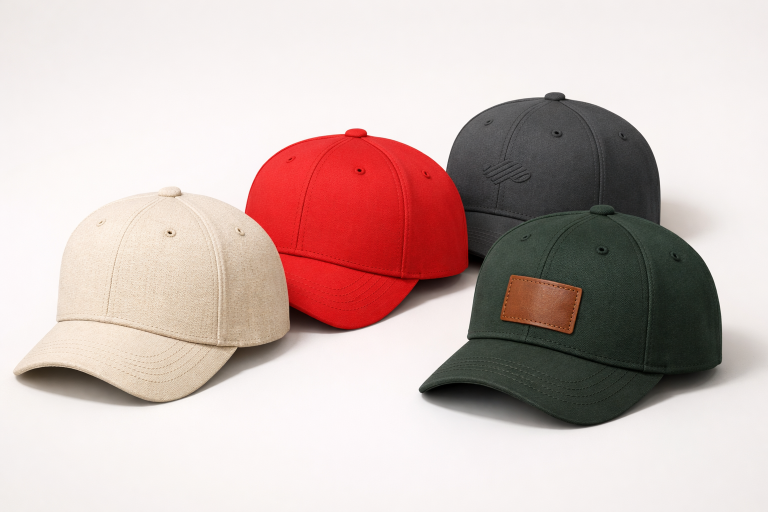
Comfort-focused design has led to the surge in popularity of unstructured hats, frequently referred to as “dad hats.” Unlike their more rigid predecessors, these caps offer a relaxed fit and an adaptable form. Their soft construction helps them transition effortlessly from laid-back gatherings to more upscale events. The trend toward unstructured silhouettes is a clear nod to the modern preference for relaxed yet stylish everyday wear.
Bold Color Palettes Make a Statement
While classic hues like navy, black, and khaki remain staples, headwear designers are embracing vivid, saturated colors. Electric blues, fiery reds, and vibrant greens are popping up in new collections, giving wearers plenty of ways to broadcast their personalities. High-contrast and often unexpected color combinations are also taking the spotlight, especially among younger audiences eager to make a statement with their accessories.
Integration of Leather Patch Accents
Leather patch details highlight timeless appeal in modern hats, with genuine or faux options balancing luxury, durability, and ethics. These patches, debossed or artisan-designed, serve as tactile focal points blending tradition and innovation. They last years with proper care, elevating style and practicality, and allowing wearers to showcase heritage and durability. As brands adopt plant-based leathers and sustainable tanning, the sector’s eco-friendliness reinforces the merging of classic style with modern values.
Conclusion
The evolution of custom headwear in 2026 is marked by a rich interplay of values, technology, and creativity. Today’s best hats support sustainable sourcing, advance performance through innovative fabrics, honor minimalist beauty, and encourage personal storytelling through customization. As designers continue to elevate the art and function of hats, they are inviting consumers to see headwear not only as an accessory but as an essential, expressive element of daily life.
